How to Shop Circular Fashion With Lasting Style
The belt that disappears into a drawer after one season is never a bargain, however low the price looked at checkout. Learning how to shop circular fashion means choosing pieces with a future: items you will wear hard, care for properly, repair when needed and eventually pass on. It is a better way to build a wardrobe with personality, not a uniform of short-lived trends.
Circular fashion is not about chasing perfection or replacing everything you own. It is about slowing the journey from raw material to landfill, one considered choice at a time. Feel good. Look good. Do good.
What circular fashion really means
Most fashion follows a straight line: materials are taken, products are made, bought, worn briefly and thrown away. Circular fashion challenges that wasteful pattern. It aims to keep clothing and accessories useful for as long as possible through thoughtful design, durable materials, maintenance, repair, resale, reuse and, only at the very end, responsible recycling or composting where the materials allow it.
The most circular purchase is often the one you already own. The next best option is not automatically second-hand, either. A pre-loved piece that does not fit your life, needs costly specialist care, or will sit untouched is still clutter. Circular shopping works when the item earns its place in your routine.
That is why quality matters. A beautifully made accessory worn for years can have a more meaningful story than several supposedly sustainable purchases made on impulse. Circularity is not a label. It is a relationship with what you buy.
How to shop circular fashion before you buy
Start with a pause, not a basket. Ask yourself where, when and how often you will wear the piece. Can it work with at least three outfits you already love? Does it solve a genuine wardrobe need, such as a belt that works for work, weekends and travelling, rather than creating another styling problem?
This small moment of honesty is powerful. The aim is not to own the smallest wardrobe possible. It is to own a wardrobe that works beautifully and gets used.
Choose design you will still want next year
Timeless does not have to mean beige, plain or forgettable. A distinctive detail can be exactly what makes an item a long-term favourite. Look for a silhouette, colour and finish that feels like you, rather than one designed to peak for a fortnight on social media.
For accessories, versatility can be especially valuable. A well-designed belt, bag or scarf can refresh familiar clothes without demanding a whole new outfit. The best pieces have enough character to be noticed and enough flexibility to be worn repeatedly.
Consider comfort as part of longevity, too. If a buckle pinches, a fabric irritates your skin or a bag is too heavy to carry, it will not become a daily companion. Functional design is not separate from sustainable design. It is what keeps an item in circulation.
Look beyond the word “sustainable”
Vague claims are easy. Useful details are better. A responsible brand should be able to explain what a product is made from, where its materials come from and why those materials were chosen. It should also make clear how to care for the item and what happens if a part wears out.
Natural materials can be excellent choices, but they are not automatically impact-free. Leather, cotton, wood and wool all come with different sourcing, processing and care considerations. Recycled synthetics may extend the life of existing plastic, yet can be difficult to recycle again. New materials can be promising, but durability and real-world end-of-life options still matter.
Instead of searching for a flawless material, look for honest decisions. Favour pieces made from fewer, more easily understood materials where possible. A belt with a repairable strap and a long-lasting buckle, for example, is generally easier to keep in use than a complicated item glued from many mixed components.
Check whether it can be repaired or adapted
Circular fashion is designed for real life: scuffs, loose stitching, changing sizes and the occasional accident. Before buying, inspect the construction. Are seams neatly finished? Can a strap be replaced? Is the hardware likely to last? Are there spare parts, repairs or aftercare available?
Modularity is one of the quiet heroes of circular design. When a component can be repaired, adjusted or swapped rather than sending the entire product to waste, the piece can evolve with you. This matters particularly for accessories, which often experience daily friction and wear.
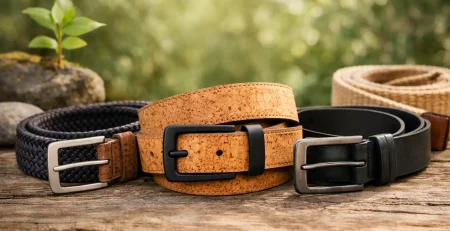
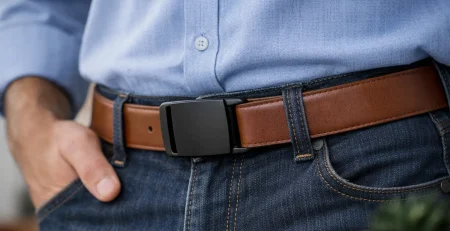
Wood Belt’s patented wooden buckle approach is a good example of design doing more than looking different. A metal-free buckle can suit people with metal sensitivities and make airport security less complicated, while the focus on durable, natural materials and repairable use supports a Buy It for Life mindset. The point is not to buy more because something is clever. It is to choose clever design that stays useful.
Buy pre-loved with a sharper eye
Second-hand shopping is one of the most direct ways to extend a product’s life, and it can uncover craftsmanship that is hard to find at high-street prices. Vintage tailoring, well-made leather goods and quality knitwear often improve with age when cared for properly.
Still, inspect before committing. Check high-friction areas such as underarms, hems, knees, bag corners, belt holes, linings and zips. Look for stains, odours, cracking, moth damage and signs that a repair will cost more than the piece is worth to you. Ask for measurements rather than relying on a size label, especially with vintage clothing.
When buying online, factor in returns, alterations and cleaning. A low price can become less attractive if the item will spend months waiting for a tailor. But do not reject something simply because it needs a small repair. Replacing a button or shortening a hem is often the beginning of making a pre-loved find truly yours.
Care is part of the purchase price
Circular fashion asks us to treat care as a style skill. Read the label, then decide whether the maintenance fits your life. A dry-clean-only jacket may be a joy for occasional events, but it may not be the best choice for a busy everyday wardrobe. The most responsible item is one you can realistically look after.
Wash clothes less often when they are not genuinely dirty. Airing, spot-cleaning and using a gentle wash at lower temperatures can preserve colour, shape and fibres. Turn garments inside out, avoid overfilling the machine and skip the tumble dryer when possible. Heat and friction are hard on clothing.
Accessories deserve similar attention. Condition leather when appropriate, store bags stuffed to hold their shape, and keep wood away from prolonged soaking or extreme heat. Hang belts loosely or roll them gently rather than creasing them into a tight knot. These unglamorous habits make the difference between a one-year accessory and a decade-long signature.
Keep pieces moving, not hidden
At some point, an item may no longer serve you. Your style changes, your body changes or your needs change. Circular shopping includes a graceful exit plan.
Resell pieces that are still in excellent condition, donate thoughtfully to organisations that can use them, or offer them directly to someone who will wear them. Repair before passing an item on if the fix is straightforward. Be transparent about wear and flaws. A clear description helps the next owner make a choice they will not regret.
Textile recycling has a place, but it should be a last option rather than a licence to overbuy. Many blended fabrics are difficult to recycle into new clothing, and collection schemes vary widely in what they can process. If a product is compostable, check the brand’s instructions carefully: industrial composting conditions are not the same as a compost heap at home.
Build a wardrobe with a longer horizon
The circular approach becomes easier when you stop treating every purchase as an isolated decision. Think in systems. Which colours recur in your wardrobe? Which fabrics do you enjoy wearing? What do you reach for when you need to feel polished quickly? Your answers become a personal buying brief.
A useful rule is to invest more attention, not necessarily more money, in the pieces you use most. A daily belt, coat, shoes or bag should be judged on cost per wear, comfort, repair potential and the pleasure it brings. Occasion pieces can be borrowed, hired or bought pre-loved if you do not expect regular use.
There will be trade-offs. A natural material may need more care. A repairable product may cost more upfront. Pre-loved shopping takes patience, while a new piece from a transparent maker may offer better fit and longer-term support. Circular fashion is not about following one strict route. It is about making the route visible, then choosing the one that keeps value alive.
The next time something catches your eye, picture it not only on the day it arrives, but after fifty wears, a small repair and a few years of changing seasons. If it still feels like your style, you may have found more than a purchase. You may have found a piece worth keeping in the circle.