Are Wooden Buckles Airport Friendly for Travel?
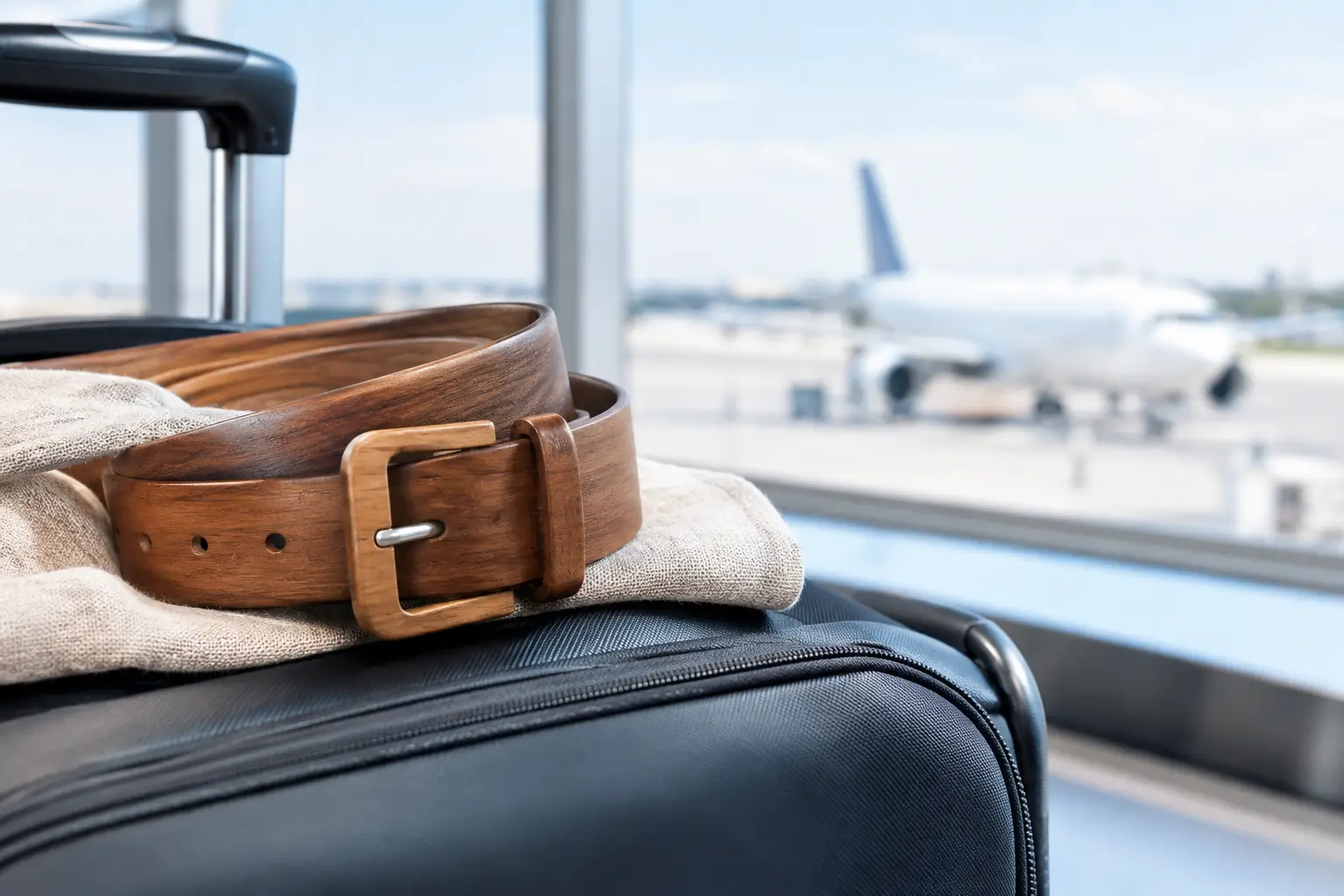
The tray is moving, the queue is edging forward, and you are deciding whether to remove your belt before anyone asks. So, are wooden buckles airport friendly? Usually, a genuinely metal-free wooden buckle can be a more comfortable, lower-fuss choice for flying than a conventional metal buckle. But airport security is never a promise made by your belt alone.
A wooden buckle is designed to bring natural style to a very practical travel problem: metal detection. It can reduce the chance that your buckle is the reason for an alarm, while looking far more considered than a belt chosen only for convenience. That makes it a strong companion for weekends away, work trips and long-haul holidays alike.
Why metal buckles can slow you down
Most traditional belt buckles contain enough metal to trigger a walk-through detector. Even when they do not, security staff may still ask you to remove the belt during screening. It is a small inconvenience, but it is one most frequent flyers know well – especially when you are balancing a cabin bag, passport and coffee at 5am.
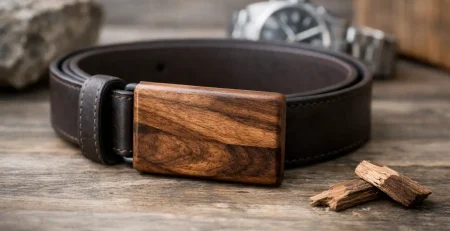
A buckle made from wood changes that equation. Wood is non-metallic, so the buckle itself is not likely to set off a metal detector in the way a steel, brass or alloy buckle can. For people who travel regularly, that can mean fewer avoidable hold-ups and a more relaxed journey through security.
There is another quiet benefit. Some travellers with a sensitivity to metal prefer to avoid metal against the skin altogether. A well-made wooden buckle offers a natural alternative without sacrificing the finishing touch a good belt brings to an outfit.
Are wooden buckles airport friendly in every airport?
They are airport friendly in principle, but no accessory can guarantee a pass-through at every security point. Airports use different equipment, follow local procedures and give security teams discretion to carry out additional checks. A wooden buckle may not trigger a metal detector, yet you could still be asked to remove your belt for a body scanner, a random search or a closer visual inspection.
That is not a fault in the buckle. It is simply how aviation security works. The sensible expectation is convenience, not immunity from screening.
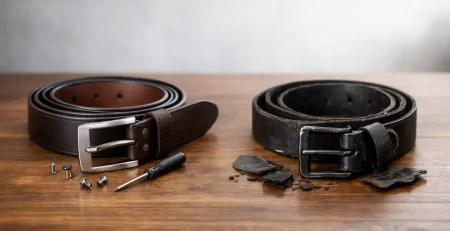
Your whole belt matters, too. A wooden buckle delivers the clearest travel benefit when the rest of the belt has no hidden metal components. Some belts use metal rivets, screws, eyelets, pins, decorative studs or reinforcement parts. These can still be detected, even if the buckle is wood. If airport ease is a priority, choose a belt designed from the outset around a metal-free construction rather than one with a wooden detail added to a conventional metal mechanism.
What happens at the security checkpoint
At many airports, you will place your belongings in a tray and pass through either a metal detector or a body scanner. A metal-free wooden buckle may let you keep your belt on when using a walk-through detector, provided nothing else on your person triggers an alarm.
Body scanners work differently. They assess the outline of the body and may flag objects or areas that need a second look. A belt – wooden buckle or otherwise – can sometimes be something staff want you to remove. Loose layers, unusually thick clothing and the particular scanner in use can also affect the process.
This is why the best travel habit is simple: follow the instructions at the checkpoint, even if you have flown through with the same belt many times before. If the team asks for it to come off, place it in the tray without debate. You will be on your way faster, and your belt will be ready to wear again once you are through.
The practical advantage of a wooden buckle
Airport convenience is only one reason to choose wood. The better question is whether the belt earns its place in your everyday wardrobe when you are nowhere near a departure gate.
A premium wooden buckle brings texture, warmth and character that polished metal cannot imitate. Each piece of wood carries a different grain and tone, giving an outfit a distinctive point of view without making it feel overworked. It sits just as naturally with linen trousers on a summer break as it does with denim, tailoring or a favourite everyday dress.
The material also speaks to a more considered way of buying. When a belt is made with durable, natural materials and designed to be worn for years, it has a different relationship with your wardrobe. It is not a disposable accessory for one season. It is a useful object with a story, chosen because it looks good and does good.
At Wood Belt, the patented buckle concept was created around this intersection of design, comfort and material intelligence: a striking metal-free buckle made from wood offcuts, paired with thoughtfully crafted belts intended to stay in rotation for the long term.
How to travel with a wooden buckle confidently
If you want the smoothest possible airport experience, wear your wooden-buckle belt as you normally would, but give yourself an easy back-up plan. Choose trousers that will remain comfortable if you are asked to remove it. Avoid packing the belt so tightly around electronics or heavy items that it gets knocked or bent in your hand luggage.
Before leaving home, check the belt over. Make sure the fastening is secure, the leather or textile strap is in good condition, and there are no additional metal accessories attached to it. If you are travelling with a belt that has a removable buckle or modular parts, keep everything assembled until security asks otherwise. Small loose pieces are easier to misplace in a crowded tray.
For a particularly quick checkpoint, you can take the belt off before joining the queue and place it in your bag. That removes any uncertainty, though it also means you lose the advantage of wearing a metal-free buckle in the first place. For most journeys, it is reasonable to wear it and let the screening process decide.
International travel: expect different rules
The answer can shift slightly depending on where you fly. A quiet regional airport may use a different screening set-up from a major international hub. One airport may let you walk straight through wearing the belt, while another may request that all belts are removed as a standard part of its process.
This variation is normal. Do not judge a belt’s travel friendliness by one experience, good or bad. Its value lies in removing a common source of metal detection, not in bypassing procedures.
If you are catching a connection, especially across countries, build in enough time for the stricter checkpoint rather than assuming the same rules will apply. Keep your belt accessible, keep your pockets empty, and treat any request to remove an item as routine. Calm preparation always travels well.
A note on durability and care
Quality wood is strong, but it deserves the same respect as any crafted natural material. Avoid soaking the buckle, leaving it for prolonged periods in intense heat, or crushing it beneath heavy luggage. If it gets caught in a shower on the way to the terminal, dry it gently when you can.
For the belt strap, use the care appropriate to its material. Vegetable-tanned leather develops a rich patina through wear, while fabric straps benefit from being kept clean and stored flat or loosely rolled. A belt that is looked after will keep its shape, finish and confidence through far more trips than a cheap travel accessory ever could.
The smart way to dress for departure
Airport style does not have to mean choosing the most forgettable outfit in the wardrobe. A wooden buckle gives you the freedom to wear an accessory with personality while making one part of the security routine potentially simpler. Pair it with comfortable, well-cut clothing and shoes that are easy to manage at the checkpoint, and you have a look built for both movement and arrival.
Choose the belt you genuinely want to wear, then give yourself a few extra minutes at security. That is the most reliable route to travelling light, looking sharp and stepping onto the plane with your style intact.