12 Best Plastic-Free Wardrobe Staples to Keep
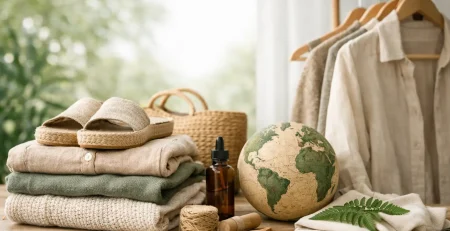
A wardrobe can look beautifully natural and still hide a surprising amount of plastic. It is in polyester linings, elastane blends, acrylic knitwear, synthetic labels and the tiny fibres released every time they are washed. The best plastic-free wardrobe staples make that hidden material question part of getting dressed – without asking you to compromise on style, comfort or personality.
The aim is not a joyless uniform of beige basics. It is a smaller collection of pieces with presence: materials that feel good against the skin, age with character and earn their place season after season. Buy fewer, choose better, wear them hard.
What makes the best plastic-free wardrobe staples?
A truly plastic-free garment is more exacting than it sounds. Look beyond the main fabric and check the full make-up: lining, stitching, buttons, elastic, labels, patches and reinforcement. A shirt described as 100% linen may still have polyester thread or a fused synthetic collar. That does not automatically make it a poor choice, but it does mean it is not fully plastic-free.
Natural materials are a strong starting point. Organic cotton, linen, hemp, wool, silk and responsibly sourced leather have distinct qualities, rather than pretending to be interchangeable. Linen stays cool and develops a relaxed texture. Wool regulates temperature brilliantly. Hemp is hard-wearing. Leather can last for decades when it is well made and cared for.
There are trade-offs. Pure cotton can take more ironing than a synthetic blend. Wool asks for gentler washing. Leather is not suitable for every ethical preference, while plant-based leather alternatives frequently rely on plastic backings or coatings. The most responsible choice is the one that suits your needs, is made transparently and will be used often enough to justify its resources.
The foundations worth building around
1. A crisp linen or organic-cotton shirt
A well-cut shirt works harder than almost anything else you own. Wear it open over a vest, tucked into tailored trousers, loose with denim or under knitwear when the weather turns. Choose a substantial linen or organic cotton poplin, with corozo, shell or wooden buttons where possible.
White is classic, but a softened ivory, sky blue or fine stripe can feel just as versatile and a little less expected. Prioritise a shape you genuinely enjoy wearing. The most sustainable shirt is not the one with the most impressive fibre story. It is the one you reach for twice a week.
2. A natural-fibre T-shirt with weight
Thin, twisty tees are the fast-fashion habit many wardrobes could lose. A properly weighted organic-cotton jersey T-shirt holds its shape, sits cleanly under a jacket and looks intentional on its own. Hemp-cotton options offer an appealingly dry, textured handle and tend to become softer with wear.
Check the neck rib and care label. Many T-shirts use elastane at the collar for recovery, so a completely plastic-free version may relax sooner. That can be a fair exchange if you prefer purity of material, but it is worth knowing before you buy.
3. Denim made from cotton, not a stretch blend
Rigid denim asks for a short adjustment period, then repays you with a fit that becomes personal. Look for 100% cotton denim, sturdy pocket bags and metal or natural buttons rather than plastic hardware. A classic straight leg, relaxed taper or wide leg will outlast trend-led silhouettes because it leaves room for real life.
Denim does not need washing after every wear. Air it between uses, spot-clean when needed and wash inside out on a cool cycle. Less laundering protects the fabric, preserves the colour and keeps your trousers looking like a considered choice rather than a disposable one.
4. Wool knitwear that earns its storage space
One excellent wool jumper can replace a stack of flimsy synthetics. Merino offers a smoother finish for layering, lambswool brings cosy texture and British wool has a more rugged character with impressive durability. Seek a dense knit with a little structure at the cuffs and hem.
Do not assume wool requires constant cleaning. It naturally resists odour, so airing it flat near an open window is often enough. When a wash is needed, use cool water and a wool detergent, then reshape and dry flat. Moths are the real enemy, so store clean knitwear carefully in the warmer months.
5. Tailored trousers in wool, linen or cotton
Tailoring makes a plastic-free wardrobe feel polished rather than worthy. Wool flannel trousers are a cold-weather anchor; linen trousers offer easy summer refinement; heavy cotton twill bridges the gap. Choose a finish that works with trainers, loafers or boots, and a waistband that does not pinch when you sit down.
Many tailored trousers contain synthetic lining or fusible interfacing, particularly at the waistband. If full material purity matters to you, ask the maker directly. If it does not, focus on longevity, fit and the ability to have the trousers altered. A repaired seam is always more stylish than an unnecessary replacement.
6. A coat built from real wool
A wool coat is one of fashion’s clearest examples of cost per wear. Whether you favour a double-breasted overcoat, a shorter car coat or a relaxed wrap silhouette, it should feel substantial enough to hold its line for years. Natural horn, corozo or wood buttons are details worth seeking out.
The challenge is the lining. Many wool coats use polyester for slip and durability. A fully plastic-free coat may be lined with cupro, cotton or silk, but these are less common and often cost more. Decide where your non-negotiables sit. A beautifully made, repairable wool coat with a synthetic lining can still be a far better long-term purchase than several cheap outerwear alternatives.
7. Leather shoes you can resole
A leather shoe with a stitched sole is an investment in repeat wear. Classic loafers, Derby shoes, ankle boots and simple sandals all become more comfortable as they settle to your foot. Look for leather uppers, leather lining and a construction that a cobbler can repair rather than a glued, throwaway sole.
Rubber soles are plastic-based, so the most strictly plastic-free option is leather-soled footwear. Yet leather soles are less practical in persistent rain and wear faster on hard pavements. For many people, a resoleable rubber-soled shoe is the sensible compromise. Longevity is part of the material story.
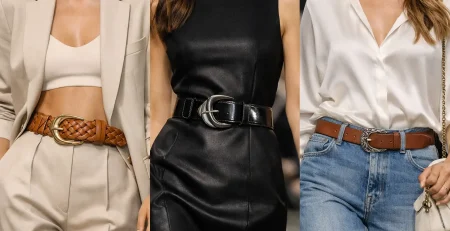
8. A distinctive belt with natural details
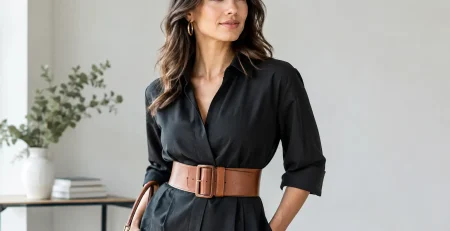
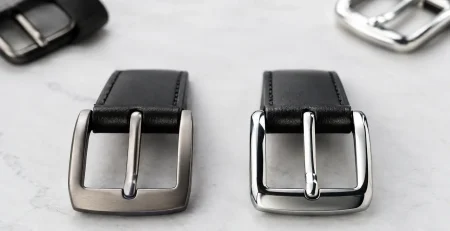
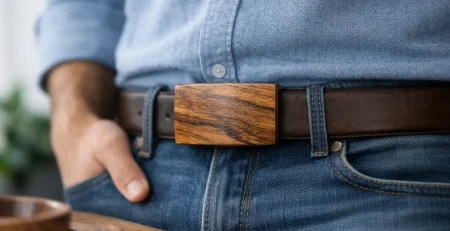
Belts are small, but they define an outfit. They also tend to be overlooked until a plated metal buckle scratches, irritates sensitive skin or sets off the familiar airport-security routine. A vegetable-tanned leather belt paired with a wooden buckle brings warmth and edge to denim, tailoring and dresses without relying on synthetic hardware.
Wood Belt makes this idea unmistakably its own with patented wooden buckles created from wood offcuts. The metal-free design is a practical win for travellers and people with metal sensitivities, while the replaceable, durable approach fits a wardrobe built for the long haul. Choose a width that suits most of your trousers and a colour that complements the shoes you already wear.
9. A vegetable-tanned leather bag
A structured tote, cross-body or compact shoulder bag can carry a wardrobe for years. Vegetable-tanned leather is finished using plant-derived tannins rather than chromium salts, and it develops a richer patina from use. Scratches, darkening and softening are not flaws. They are evidence that the piece belongs to you.
Avoid bags overloaded with bonded coatings, plastic piping and fragile decorative extras. The most versatile design has a secure closure, thoughtful internal organisation and hardware that can be repaired. A bag should support your day, not demand special treatment every time you leave the house.
10. A silk scarf or wool wrap
Accessories allow colour and print into a carefully edited wardrobe. A silk scarf tied at the neck, in the hair or around a bag can alter the mood of simple shirt-and-denim dressing in seconds. A fine wool wrap offers the same versatility when the temperature drops.
Choose a size you will actually use. A small square scarf has more styling range than many people expect, while a generously sized wool wrap can replace the emergency synthetic layer often kept in a tote. Store both away from direct sunlight and perfume to keep fibres and colour at their best.
How to shop without chasing perfection
Start with the gaps you already feel. Perhaps you need a coat that will survive five winters, trousers you can wear to work and dinner, or a belt that gives old jeans a new point of view. Do not discard useful synthetic pieces simply because you now know more about microplastics. Wear and care for what you own, then make more intentional choices when replacement is genuinely needed.
When considering a new piece, ask three direct questions: What is it made from, can it be repaired, and will I still want to wear it in three years? Fibre composition tells only one part of the story. Construction, fit and emotional connection determine whether an item becomes a staple or wardrobe clutter.
Natural fibres deserve considered care, but not endless fuss. Wash less, follow the label, mend early and use a trusted alterations service or cobbler. A loose button is a five-minute job. A worn heel can be renewed. This is not about preserving clothes untouched in a cupboard. It is about allowing beautiful things to live a long, useful life.
The next time you are tempted by a quick purchase, pause at the material label and picture the piece after fifty wears. If it will look better, fit better or carry a little more of your story by then, it is probably worth making room for.