Buy-It-for-Life Fashion Principles That Last
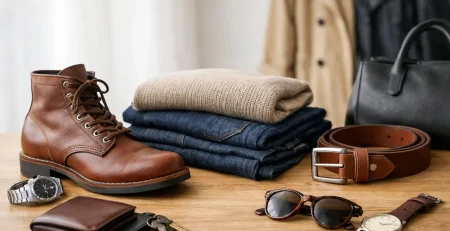
A belt that cracks after one season, a bag with a broken zip, a coat whose lining gives up before its time: these are not small disappointments. They are signs of a fashion system built to replace rather than retain. Buy-it-for-life fashion principles offer a better standard: choose fewer pieces with the design, materials and character to earn a permanent place in your wardrobe.
This is not about dressing in beige basics or denying yourself something new. It is about building a personal collection that looks sharper with use, functions beautifully, and reflects what you stand for. The best pieces do more than survive. They become yours.
Buy-it-for-life fashion principles start with purpose
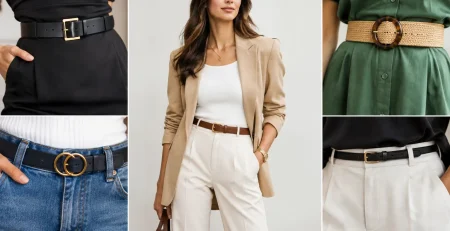
Before looking at a label, look at your own life. A lasting purchase needs a clear role: the belt you wear with denim and tailoring, the everyday bag that carries your essentials without looking tired, or the shoes you reach for when you need to feel pulled together.
A beautiful item that suits only an imagined lifestyle may stay beautiful, but it will not become useful. Cost per wear is not a command to wear everything constantly. It is a useful question: will this piece meet the real rhythm of my week, my work, my weekends and my travels?
Versatility matters, but it should not make your wardrobe anonymous. A distinctive detail can be precisely what keeps an accessory in rotation. Think of a sculptural wooden buckle, an unusual leather tone or a well-considered silhouette. The goal is not to buy the safest option. It is to buy the option you will still be pleased to wear years from now.
Judge materials by how they age
Longevity begins long before a product reaches your wardrobe. Materials should be selected for the way they perform, feel and age, not merely for the first impression under shop lighting.
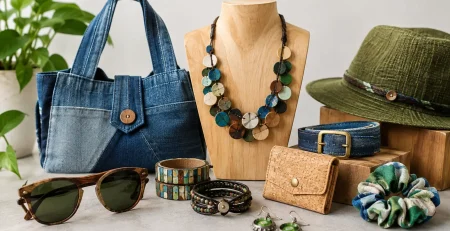
Natural materials often make their history visible. Quality vegetable-tanned leather can deepen in colour and develop a patina. Properly finished wood can gain warmth through daily handling. These changes are not defects to hide. They are evidence of a life well lived, provided the material was responsibly sourced, thoughtfully made and cared for appropriately.
That does not mean every natural material is automatically the better choice. A delicate fabric may be wonderful for an occasion piece but unrealistic for a hard-working commuter bag. Likewise, some technical materials have a place where weather resistance or specialist performance is essential. Buy-it-for-life thinking asks for honesty about the job a product must do.
Look beyond broad claims such as “premium” or “eco-friendly”. Ask what the item is made from, whether its components can be replaced, and whether the finish is designed for use rather than display. A strong material in a poorly made product will still fail early.
Let construction reveal the real quality
Great design is visible in the details people usually overlook. Check stitching for consistency and density. Feel whether a strap flexes naturally at its attachment points. Open and close the fastening. Inspect edges, lining, hardware and stress points. These are the places where shortcuts show up first.
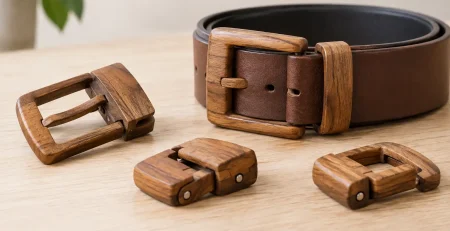
For accessories, modularity is a powerful sign of intelligence. If a strap, loop, buckle or fastening element can be repaired or changed without replacing the entire piece, its useful life expands. It also gives you room to adapt your style without starting from scratch.
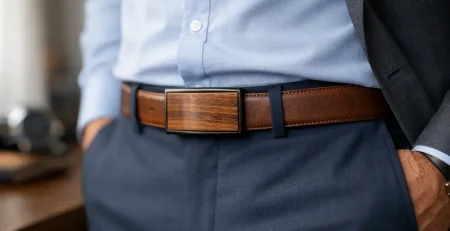
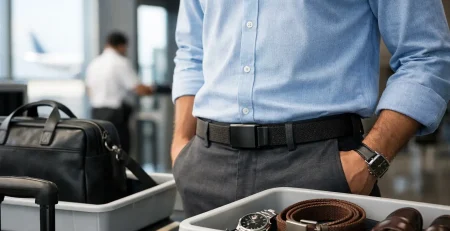
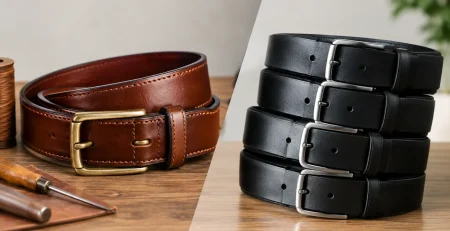
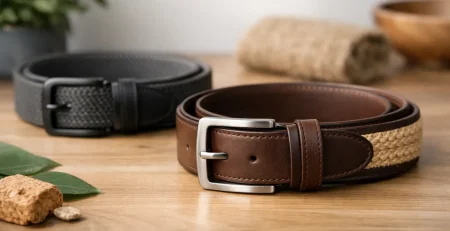
A well-made belt, for example, should hold its shape while becoming more comfortable over time. Its fastening should feel secure without becoming fussy. A metal-free wooden buckle adds another layer of function for people with metal sensitivities and frequent flyers who would rather move through airport security with less interruption. Innovation counts when it solves a real problem and still looks exceptional.
Wood Belt is built around this idea: an iconic, patented wooden buckle paired with natural materials and a design language that makes sustainability feel like a style choice, not a compromise.
Choose repair over replacement
The most sustainable fashion purchase is not always the item with the lowest-impact material on day one. It is often the piece you keep using because it can be maintained, repaired and loved for longer.
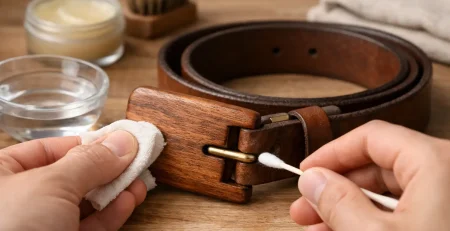
Care is part of ownership, not an annoying extra. Leather benefits from occasional conditioning. Wood should be kept away from prolonged soaking and treated with the respect you would give any natural finish. Garments last longer when washed less aggressively, aired between wears and stored correctly. Small habits protect the qualities you paid for.
Repair also deserves a shift in mindset. A scuffed shoe, loose stitch or worn edge is not a verdict on an item. It is an invitation to restore it. Good cobblers, alteration specialists and leather repairers can extend the life of pieces that still have years left in them. The trade-off is time and a modest repair bill. The reward is avoiding the false economy of replacing something you genuinely liked.
When purchasing, consider whether repair is realistically possible. Can the maker advise on care? Are parts stitched, screwed or constructed in a way that a skilled repairer can work with? Permanently bonded layers and sealed components may look tidy initially, but they can turn a minor issue into waste.
Build a wardrobe with emotional durability
Fashion lasts when it keeps your attention. This is emotional durability: the attachment formed when a piece tells a story, feels unmistakably like you, or marks a meaningful moment.
That may be the bag you chose for a new job, a coat inherited and altered to fit, or a belt given by someone who knows your taste. Personal meaning changes how we care for things. We mend what we value. We make space for it. We resist replacing it simply because a new trend has appeared.
Design plays a major role here. A piece does not need to be loud, but it should have conviction. Strong proportions, tactile materials and a recognisable detail will often outlast short-lived novelty. At the same time, be realistic about your own style. If you are drawn to colour, buying only black in the name of practicality can be its own form of waste.
A useful test is to imagine the item slightly worn in. Would its marks add character? Would you still recognise yourself in it? If the answer is yes, you may be looking at more than a purchase. You may be choosing a future favourite.
Spend with intention, not perfection
Buy-it-for-life does not demand that every object last forever. Bodies change, lives change and some categories naturally wear faster than others. Underwear, running shoes and children’s clothing operate on different timelines from a leather belt or structured bag.
Nor does this approach require replacing your whole wardrobe with expensive alternatives overnight. The most responsible move is often to use what you already own, learn what repeatedly fails, and make your next purchase more considered. Start where quality will have the greatest effect: the items you wear most, touch most and rely on most.
Price can signal better labour, materials and construction, but it is not proof. An expensive logo cannot compensate for weak design. Equally, a well-made piece may cost more upfront because it has not externalised every cost onto workers, materials or the environment. Value is what remains after years of wear, not the rush of the checkout.
Make every addition earn its place
A lasting wardrobe is edited, not empty. Give yourself permission to want beautiful things, then ask them to meet a higher standard. Does this serve a purpose? Does it fit your life and style? Can it be cared for or repaired? Will its materials become better, not merely older?
When an item answers those questions with confidence, wear it often. Let it collect the small signs of a life in motion. The most stylish wardrobes are not built in a weekend. They are built choice by choice, with pieces worth keeping close.