Impact Design Principles in Fashion That Last
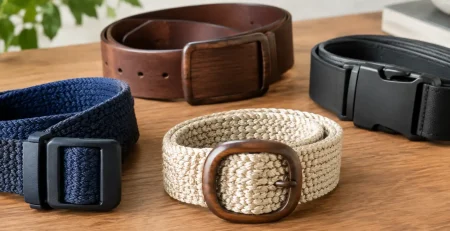
A belt is a small object with a big job. It needs to sit comfortably against the body, complete an outfit, survive daily wear and avoid becoming another forgotten accessory at the back of a drawer. That is where impact design principles in fashion become real: not as a vague promise printed on a swing tag, but as choices you can see, feel and use for years.
For people who care about personal style and the footprint behind it, the best fashion does more than look responsible. It earns its place in your wardrobe. It feels considered in the hand, flattering when worn and easy to keep in service. Design is not separate from impact. It is where impact starts.
Impact design principles in fashion begin with purpose
A responsible product should solve a genuine problem. If an item has no lasting function, no material story can make it truly desirable. Fashion has spent decades normalising the idea that accessories are disposable – bought for a look, worn a handful of times, then replaced when the next micro-trend arrives.
Impact-led design pushes back. It asks a more useful question: why should this object exist, and why should someone keep it?
For an accessory, purpose may mean adjustable fit, comfort through a full day, versatile styling or an intelligent closure that removes friction from everyday life. A belt buckle made without metal, for example, can offer a distinctive visual signature while also helping people with metal sensitivities and frequent travellers who would rather not remove their belt at airport security. That is not design theatre. It is a detail with practical value.
The trade-off is that purposeful design takes more thought. It can mean rejecting a familiar component, refining a construction repeatedly or educating customers about a better alternative. But when design solves a real need, it has staying power beyond a season.
Choose materials with a second life in mind
Materials set the tone for a product long before it reaches your wardrobe. They affect texture, weight, ageing, repair options and what may happen when the product is finally no longer usable. Choosing a natural material is a meaningful start, but it is not the whole story.
The stronger approach is to consider the material’s full journey. Where did it come from? What resources and finishes were used? Can it age with character rather than simply degrade? Can it be separated, repaired or composted responsibly at the end of its life?
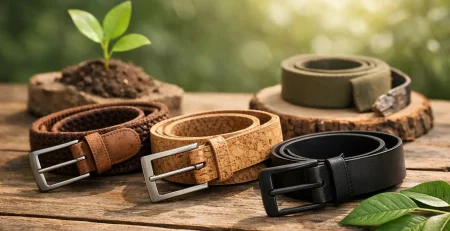
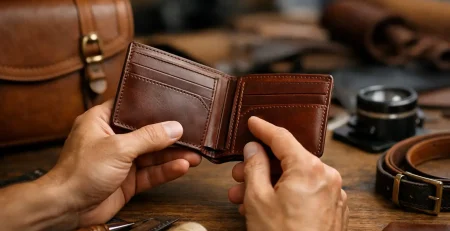
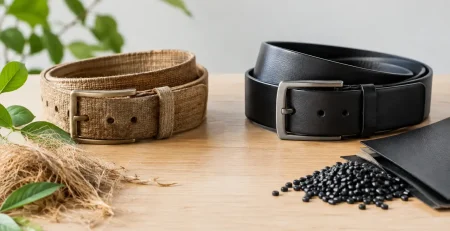
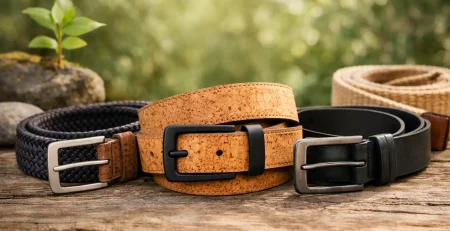
Used wood offcuts are a powerful example. They give overlooked material a new purpose while bringing grain, variation and warmth that no factory-perfect plastic can replicate. Vegetable-tanned leather can also be a more considered choice when selected for strength, longevity and a finish that develops a personal patina over time.
Natural does not automatically mean low impact, and synthetic does not automatically mean poor design. It depends on sourcing, durability, processing and how long the product remains useful. The goal is not material purity for its own sake. The goal is a material decision that makes sense for the product, the wearer and the long term.
Make durability visible, not invisible
Durability is often discussed as a technical specification. In fashion, it should also be a design quality. A well-made accessory communicates confidence through its proportions, stitching, edges, hardware or absence of hardware, and the way it holds its shape after repeated use.
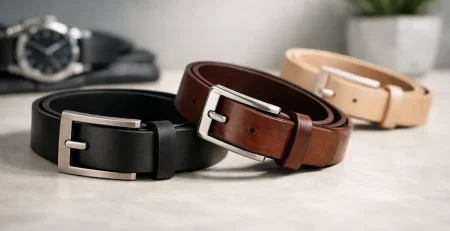
Yet durability does not mean making everything heavy, overbuilt or visually severe. The right level depends on use. A belt worn every day needs resilience at stress points. A special-occasion bag may prioritise a lighter structure. The principle is simple: build for the life the item is honestly expected to live.
A product designed to last also deserves a style that can outlast the moment. This does not require blandness. Iconic design is often more useful than trend-chasing because it gives the wearer a recognisable piece they will return to, season after season. A sculptural wooden buckle, rich natural tones or a clean adjustable silhouette can feel striking without relying on a passing fashion cycle.
When something is built to be kept, quality becomes part of the aesthetic. You notice it every time you fasten it.
Design for repair, adjustment and change
Bodies change. Tastes evolve. Life asks different things of the same wardrobe. Impact-conscious fashion makes room for that reality.
A belt should not become waste because its wearer needs a different length. A bag should not be discarded over one worn component. This is why repairability and modularity matter. Replaceable parts, adjustable systems and construction that allows skilled repair can extend a product’s useful life dramatically.
There is a practical balance to strike. More components can make repair easier, but they can also create complexity and additional material use. The smartest systems are simple enough to use, sturdy enough to trust and clear enough that customers know how to care for them.
This is the spirit behind a true buy-it-for-life mindset. It is not a claim that an object will remain untouched forever. It is a commitment to make products worth maintaining, and to avoid treating normal wear as failure. Scratches in wood, softening leather and gentle marks from use can become evidence of a life well lived.
Put comfort on the impact checklist
An accessory that looks exceptional but feels irritating will not be worn often. And an unworn product, however carefully sourced, cannot deliver the impact it promised.
Comfort deserves a central place in fashion design. That includes the obvious details, such as weight, flexibility and fit, but it also includes sensitivities that standard fashion has often ignored. Metal-free fastening systems can make a difference for people whose skin reacts to conventional buckles. Smooth surfaces, thoughtful edges and well-balanced construction help an accessory feel like a natural part of getting dressed rather than an inconvenience.
Designing for more people is not about making every product identical. It is about recognising diverse needs early enough that they shape the object itself. The result is better style for more wearers, with less compromise.
Measure what you can, say only what you know
Great design stories should be backed by honest language. Consumers are right to question broad claims such as “eco-friendly” when they are not paired with substance. Impact is rarely perfect, particularly in a global industry with complex supply chains and transport needs.
Brands should be specific about the decisions they have made: reclaimed or offcut materials, biodegradable components, responsible tanning methods, repair pathways, packaging choices and support for social initiatives. Where data is available, share it clearly. Where uncertainty remains, acknowledge it instead of hiding it behind glossy slogans.
This honesty builds a deeper kind of luxury. It respects customers as people capable of making informed choices. It also keeps brands accountable to improve rather than treating sustainability as a finished achievement.
At Wood Belt, this principle is expressed through patented wooden buckles, natural materials and accessories designed to remain useful, distinctive and repairable. The point is not to ask customers to lower their expectations for style. It is to show that a more responsible choice can be the more original one.
Buy fewer pieces with more character
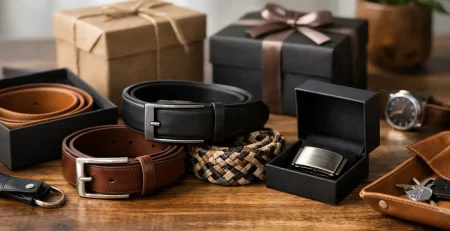
The most personal wardrobe is not necessarily the largest. It is the one filled with items that work hard, mean something and become more yours with time. That may be a belt that travels well, a bag that earns compliments without shouting, or an accessory chosen as a gift because its story feels as considered as its design.
Impact design gives us a better standard for choosing those pieces. Look beyond the immediate visual hit. Ask how it feels, how it is made, whether it can be cared for and whether you can imagine reaching for it years from now.
Fashion can still be expressive, playful and unapologetically beautiful. The difference is that the best pieces do not ask the planet or the people behind them to pay the hidden cost of looking good. They let you feel good, look good and do good – every time you wear them.