Are Wooden Buckles Waterproof? The Honest Answer
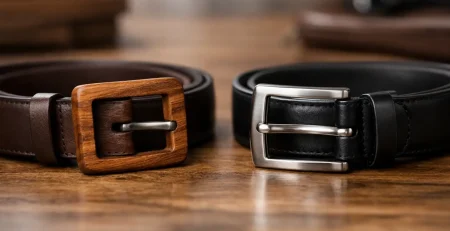
A smart belt should not make you nervous when the weather turns. So, are wooden buckles waterproof? Not completely – and that is the honest answer. Like leather, wood is a natural material. It can handle normal daily life, the odd splash and a walk through light rain, but it is not designed to be soaked, submerged or left damp for hours.
That is not a weakness. It is simply the character of a beautifully made natural accessory. A wooden buckle is designed to bring warmth, texture and a distinctive metal-free finish to your wardrobe. Treat it with the same considered care you would give a favourite pair of leather shoes, and it can remain part of your style for years.
Are Wooden Buckles Waterproof or Water-Resistant?
The more useful question is whether a wooden buckle is water-resistant. A quality wooden buckle has a protective surface finish that helps it cope with everyday moisture, including light rain, accidental splashes and the humidity of ordinary wear. This finish slows water from entering the wood, while allowing the natural grain to remain the star of the design.
Waterproof means water cannot penetrate under any realistic condition. Natural wood cannot promise that, particularly where there are seams, edges and moving parts. Prolonged exposure can affect the finish and, eventually, the wood itself.
Think of it this way: wearing your belt on a drizzly commute is one thing. Swimming in it, leaving it on a wet bathroom floor, or packing it away after a soaked festival is another. The first is everyday life. The second asks a natural material to do a synthetic material’s job.
What Water Can Do to a Wooden Buckle
Wood is made of fibres, and those fibres respond to moisture. When repeatedly exposed to water, they can swell slightly. As they dry, they contract. Over time, that cycle may make a buckle feel less smooth, alter its appearance or place stress on the protective finish.
The risk depends on several details: how much water reaches the buckle, how long it stays wet, the climate where you live and how the belt is dried afterwards. One brief shower is unlikely to cause drama. Repeated soaking is where problems begin.
There is also the belt strap to consider. Vegetable-tanned leather has its own relationship with water. It may darken temporarily when wet, then dry stiffer if it has not been conditioned. A belt is a small piece of craftsmanship with several materials working together. Caring for the buckle and caring for the leather go hand in hand.
Rain is usually manageable
If you get caught in rain, there is no need to panic or abandon your outfit. Remove the belt when you can and pat the buckle and strap dry with a soft, absorbent cloth. Let it dry naturally in a well-ventilated room before wearing or storing it again.
Avoid radiators, hairdryers and direct heat. Fast heat can dry wood and leather unevenly, which is exactly what you do not want. Patience protects the finish better than force.
Splashing needs a quick response
A splash from washing your hands or a spill at dinner is easy to manage. Wipe it off promptly rather than rubbing hard. If the buckle has picked up something sticky or oily, use a barely damp cloth first, then dry it immediately with another soft cloth.
Do not use household cleaners, alcohol wipes, bleach or abrasive sponges. They can strip or dull the protective coating and leave the surface looking tired before its time.
Soaking is where you should draw the line
Take a wooden-buckle belt off before swimming, showering, using a hot tub or taking part in water sports. Saltwater and chlorinated water are especially unkind because they leave residues behind and can dry out both wood and leather.
The same applies to a thoroughly wet day outdoors. If your clothes are drenched, protect the belt where possible. It is a designed accessory, not outdoor equipment.
Everyday Care for a Beautiful Finish
The best care routine is simple enough to keep. After wearing your belt, give it a quick visual check before placing it away. If the buckle is clean and dry, store the belt loosely in a cool, dry place away from direct sunlight.
Do not fold the leather tightly around the buckle or trap it beneath heavy items in a drawer. Hanging it, or laying it flat with a gentle curve, helps the strap keep its shape and avoids unnecessary pressure on the closure.
For regular cleaning, a dry microfibre cloth is usually all you need. It removes dust and restores the quiet lustre that makes wood feel so special. If you wear your belt frequently, this small ritual becomes part of the pleasure of owning something made to last.
Wood Belt designs its patented wooden buckles for real wardrobes and real routines: workdays, weekends, dinners out and journeys through the airport without a metal buckle setting off the scanner. The point is not to keep the belt hidden away. It is to wear it with confidence and give it sensible care when life gets messy.
Humidity, Heat and Holidays
Water is not only rain. Humidity matters too, particularly if you live in a damp home or travel somewhere warm and tropical. Wood is happiest when it is not repeatedly moving between very dry and very humid environments.
That does not mean you cannot take your belt on holiday. It means packing with intention. Keep it away from damp swimwear, wet towels and toiletries that may leak. If you arrive after a rainy journey, take it out of your suitcase rather than leaving it enclosed with moisture overnight.
Extreme heat deserves the same respect. Leaving a belt on a sunny windowsill, close to a heater or in a hot car can dry out natural materials and fade the leather. A wardrobe or drawer away from direct light is a much better home.
Can You Refinish a Wooden Buckle?
Sometimes a well-loved accessory shows its life. Minor dullness or tiny surface marks can be part of the appeal of natural materials, rather than a reason to replace them. The grain develops its own story, much like quality leather.
But do not rush to apply oil, varnish or furniture polish to a buckle. Different finishes react differently, and the wrong product can change the colour, affect the feel or leave an uneven sheen. If the buckle looks unusually dry, scratched or damaged after serious water exposure, seek advice from the maker before attempting a home repair.
This is one of the quiet advantages of choosing a brand built around durability and repairability rather than disposable fashion. A belt should earn its place in your wardrobe, not become waste because it has met a little weather.
The Natural-Material Trade-Off Is Worth It
Plastic and metal may feel like the safer choice around water, but they do not offer the same tactile warmth or low-impact material story. A wooden buckle makes an intentional statement: you want design with presence, materials with character and an accessory that is more than a generic fastening.
Yes, it asks for a little care. In return, it gives you an iconic detail that works across denim, tailoring and relaxed holiday dressing, while avoiding metal contact for those with sensitivities. That is a compelling exchange.
Wear your wooden-buckle belt freely, not fearfully. Just keep it dry after rain, away from full immersion and stored with care. The best pieces are not the ones you never use – they are the ones you choose often, look after well and enjoy for the long run.