Why Artisan Accessories Versus Fast Fashion Matters
A belt can be the smallest detail in an outfit, yet it sits at the centre of how that outfit feels. A buckle that pinches, tarnishes or breaks turns an everyday essential into an annoyance. A beautifully made piece in natural materials can do the opposite: sharpen your look, feel comfortable from morning to night, and become part of your signature.
That is the real question behind artisan accessories versus fast fashion. It is not simply about buying less or spending more. It is about deciding whether an accessory is designed for a fleeting moment or for the thousands of moments that follow.
Artisan accessories versus fast fashion: the real difference
Fast fashion accessories are built around speed. Designs respond quickly to micro-trends, materials are chosen to meet a tight price point, and production is often optimised for volume. There is nothing mysterious about their appeal: they offer instant variety and an easy way to try a look without much commitment.
But the low upfront price can conceal a different kind of cost. Synthetic coatings may crack, plated hardware can lose its finish, and weak construction can leave a bag strap, fastening or belt unusable long before the style has stopped working for you. Replacing small items again and again is not always the affordable option it first appears to be.
Artisan accessories begin with a different brief. The focus is on material character, thoughtful construction and a design worth returning to. A maker considers the grain of wood, the hand of leather, the strength of a stitch and the way a product will age. Instead of hiding wear beneath disposable finishes, good craftsmanship allows a piece to gain personality with use.
This does not mean every handmade item is automatically sustainable, nor that every mass-produced accessory is poor quality. The useful distinction is transparency and intention. Can you understand what it is made from? Is it built to be repaired or cared for? Will you still want to wear it after the trend cycle moves on?
Style that does not expire after one season
A distinctive accessory earns its place by doing more than matching one outfit. It should bring definition to denim, tailoring and occasionwear without becoming costume-like. This is where artisan design has an advantage: it can be recognisable without chasing the loudest trend.
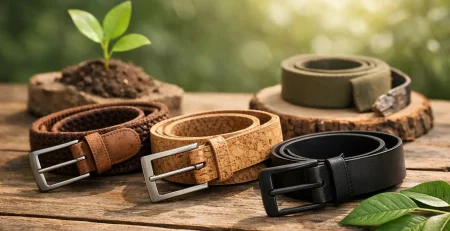
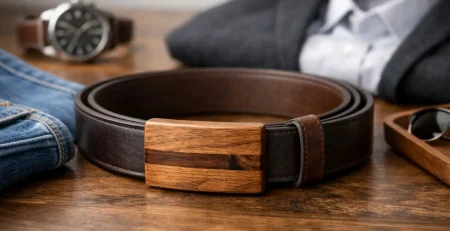
Consider the difference between a generic metal buckle and a buckle shaped from real wood. The latter brings texture, warmth and a point of view to an otherwise familiar item. It can feel modern, minimal or expressive depending on the shape, finish and colour, but it does not rely on a logo or a seasonal gimmick to make an impression.
That kind of design is especially valuable when building a smaller wardrobe. A well-chosen belt, bag or accessory gives existing clothes new energy. It is a more considered route to personal style than continually adding pieces that only make sense for one photograph or one night out.
The trade-off is clear. Artisan accessories may offer fewer colourways and less immediate availability than fast-fashion collections. Yet that restraint can be a benefit. It encourages choices with staying power rather than a drawer full of almost-right purchases.
Materials are where the story becomes tangible
Fashion’s impact is often discussed in broad claims. Accessories make it easier to look closely, because their materials are literally in your hands every day.
Plastic-based synthetics and cheap metal components can be practical in certain products, but they often depend on resource-intensive processes and are difficult to recover at the end of their useful life. Mixed materials, glued layers and disposable hardware can make repair almost impossible. When the clasp fails, the whole item is frequently discarded.
Natural materials demand a more thoughtful approach too. Leather, for example, varies enormously according to its source, tanning process and expected lifespan. Vegetable-tanned leather is valued for its rich finish and ability to develop a patina, while responsibly used wood offcuts can give material that already exists a valuable second purpose.
At Wood Belt, patented wooden buckles are designed to make that material choice visible. They transform used wood offcuts into an iconic, metal-free design detail, paired with durable materials selected for a longer life. The result is not sustainability hidden in the small print. It is a product that looks and feels different because it is made differently.
Better function is part of better fashion
Responsible design should not ask you to sacrifice everyday ease. In fact, function is one of the strongest arguments for choosing a well-made accessory.
For anyone sensitive to metal, a conventional buckle can create an irritating daily problem. A metal-free buckle offers a practical alternative without forcing you into a purely functional look. For frequent travellers, avoiding metal at the waist can also make airport security less of a faff. These are modest improvements, but they matter when a product is worn repeatedly.
Durability is another form of function. A belt that maintains its shape, a bag that carries its load securely and a fastening that works reliably all reduce the need for replacements. Look for construction that supports longevity rather than decorative detail that disguises fragility.
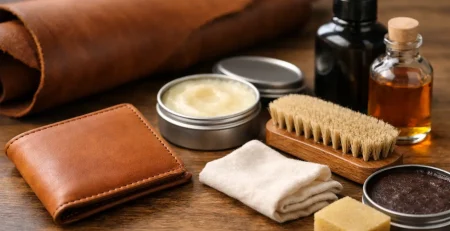
It also helps to ask whether a product can be maintained. Can the leather be conditioned? Can a worn component be replaced? Is the design modular enough to adapt as your needs change? A buy-it-for-life mindset is not about expecting an item to remain untouched forever. It is about choosing something worthy of care.
Does the higher price actually make sense?
This is the question that deserves an honest answer. Artisan accessories usually cost more at the checkout because skilled work, lower-volume production and better materials cost more to source and make. If you need a one-off costume piece for a specific event, fast fashion may be the sensible choice.
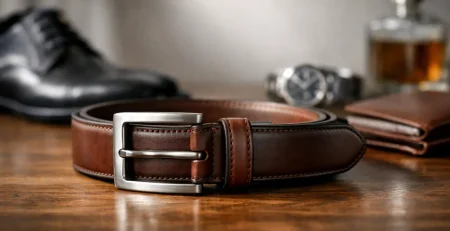
For everyday accessories, however, cost per wear tells a fuller story. A £25 belt replaced four times over several years costs £100, along with the time spent searching for another one and the waste created by each discarded version. A £100 belt that you wear week after week, care for properly and continue to love may be the more rational purchase as well as the more satisfying one.
Value is not only mathematical. It includes comfort, confidence and the pleasure of owning something with a story. It includes knowing the design was not made to fall apart the moment a new trend arrives. It includes giving a gift that feels personal rather than predictable.
The right budget differs for everyone, so avoid turning conscious shopping into a test of perfection. Buy fewer items when you can, choose quality where it matters most, and use what you already own well. A considered wardrobe is built over time.
How to choose an accessory with staying power
Start with the role it needs to play. An everyday belt should work with the trousers, dresses or layers you already reach for. An occasion bag can be more expressive, but should still feel comfortable to carry. When you can picture at least ten wears, you are probably looking beyond impulse.
Then look beyond the first impression. Check the materials, the finish at stress points and the care guidance. Ask whether the design would still appeal if the branding were removed. Look for a shape or texture that feels unmistakably yours, rather than one you have seen everywhere this month.
Finally, choose from brands willing to stand behind their choices. Clear material information, repair-minded thinking and a believable approach to waste tell you more than vague green language ever can. Great design does not need to shout about its values. You should be able to see them in the object itself.
The most stylish accessory is not the one that asks for attention once. It is the one you reach for instinctively, year after year, because it still looks good, still works beautifully and still feels like you.