Compostable Versus Recyclable Fashion Accessories
A belt can look exceptional for years, then become a problem the moment its buckle breaks, its finish peels, or its mixed materials cannot be separated. That is where compostable versus recyclable fashion accessories becomes more than a clever label. It is a question of what your accessory is made from, how long it serves you, and what genuinely happens when you are finished with it.
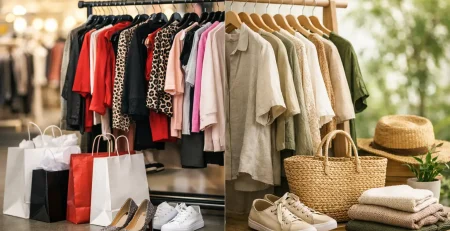
For style-led shoppers, the best answer is rarely a race to buy the item with the most impressive end-of-life claim. A beautifully made accessory you wear constantly, repair when needed and keep out of landfill for decades can have more value than a disposable piece labelled green. Feel good. Look good. Do good – but make the materials earn the message.
Compostable versus recyclable fashion accessories: the real difference
A compostable accessory is designed to break down into natural elements under the right conditions. Depending on its materials, that may mean a home compost setting, but more often it means an industrial composting facility with controlled heat, moisture and timing. Plant-based fibres, untreated wood, cork and certain natural rubbers may be candidates for compostability. The crucial detail is that “natural” does not automatically mean “compostable”.
A recyclable accessory is intended to be collected, sorted and processed into a new material or product. Metals can often be recycled repeatedly, while some plastics, textiles and paper-based components may be recycled through specialist streams. Yet recyclability is not a promise that an item will actually be recycled. It depends on local collection systems, sorting technology, contamination and whether there is demand for the recovered material.
The distinction matters because composting and recycling solve different problems. Composting returns suitable organic materials to the biological cycle. Recycling keeps useful materials in the technical cycle. Both can be responsible routes, but neither is a free pass for short-lived design.
Start with the life you give an accessory
A premium accessory should not be designed around its disposal date. It should be designed around its wearability.
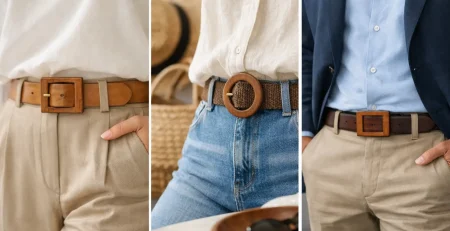
Consider a belt you reach for three times a week. Its true impact is shaped by comfort, styling versatility, construction and repairability long before the question of composting or recycling arises. If it works with denim, tailoring and weekend layers, it replaces the need for several less durable alternatives. If its parts can be repaired or renewed, it stays in your wardrobe rather than joining the back-of-the-drawer graveyard.
This is why longevity is not an excuse to ignore materials. It is the foundation that makes responsible materials matter more. A component that can eventually return safely to nature is compelling. A component that remains useful, desirable and repairable for years is better still.
What compostable can mean in practice
Compostable fashion accessories often appeal because they feel close to the earth: wood grain, vegetable-tanned leather, cork, natural canvas and other materials with a visible origin. They bring warmth and individuality that synthetic, high-shine accessories can struggle to match.
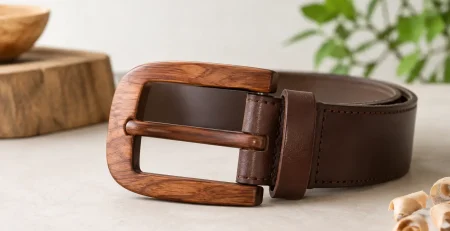
But compostability needs plain speaking. An accessory may contain compostable elements without being compostable as a whole. A wooden buckle may be biodegradable, while a synthetic coating, glued reinforcement, dyed thread or metal rivet prevents the complete product from entering a compost bin. Leather also needs context. Vegetable-tanned leather avoids chromium tanning and can be a more considered material choice, but thick leather goods are not necessarily suited to home composting, especially when treated with finishes or combined with other components.
The honest approach is to ask three questions: Which part is compostable? Under what conditions? And can the item be separated before disposal? If a brand cannot answer clearly, treat broad compostable claims with caution.
There is also a style benefit to choosing natural materials for the right reason. Used wood offcuts, for example, turn an existing material into a statement detail rather than demanding new virgin resources. Each variation in grain makes the accessory feel personal. That is design with character, not beige compromise.
Why recyclable is not always circular
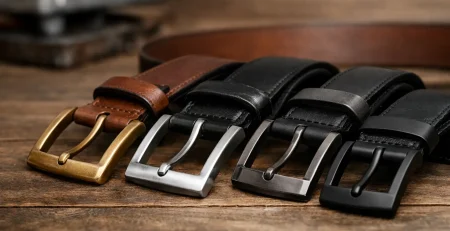
Recycling sounds straightforward until an accessory is taken apart. A conventional belt might combine leather, polyester thread, foam backing, a plated metal buckle, adhesive, labels and a plastic tip. Every added material can make sorting harder. Small pieces can be missed by recycling machinery altogether, while blended materials may have no viable recycling pathway.
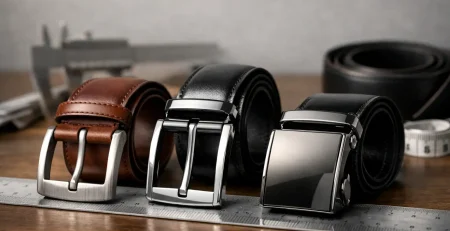
Metal is often a strong recycling candidate, but only when it can be recovered. A detachable buckle is more useful than one permanently bonded to layers of mixed material. The same principle applies to bags, wallets and watch straps: construction matters as much as the headline material.
Recycled content deserves a separate mention. A product made with recycled polyester or recycled metal can reduce demand for virgin inputs, which is a meaningful advantage. Still, recycled content does not guarantee that the finished accessory can be recycled again. A recycled plastic component fused to leather and metal can remain difficult to process at the end of its life.
Circular design is therefore not simply about adding the word “recycled”. It is about making choices that preserve materials at their highest possible value: reuse first, repair next, then recycle or compost where the route is real.
The most responsible accessories are designed to come apart
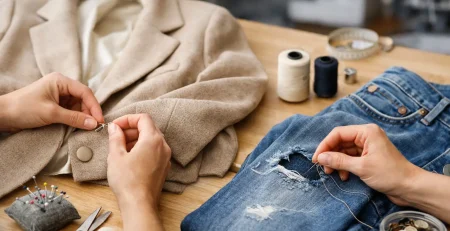
Fashion accessories are small objects with surprisingly complex construction. That makes modular design a powerful idea. When a strap, buckle, clasp or loop can be replaced independently, one worn part does not condemn the whole piece.
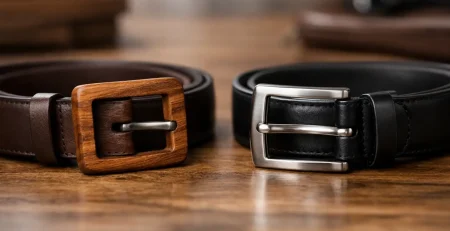
For belts, a detachable buckle has practical advantages beyond end-of-life thinking. It lets you refresh your look, change the strap, make repairs easier and avoid replacing an entire belt because one component has failed. A metal-free wooden buckle can add another layer of everyday benefit: it is distinctive, kind to people with metal sensitivities and convenient when travelling through airport security.
Wood Belt builds this thinking into a patented wooden buckle concept, pairing natural materials with a design intended to be worn, enjoyed and kept. It is proof that responsible design does not need to hide in the background. It can be the detail people notice first.
How to choose without falling for vague claims
When you are considering a new accessory, look beyond the single word on the hangtag. The following signals reveal whether sustainability has been designed in or simply added to the story:
- Material clarity: The brand names the main materials and explains finishes, dyes, hardware and linings rather than relying on “eco-friendly” language.
- A long useful life: Strong stitching, quality edges, repair options and timeless styling encourage repeat wear.
- Fewer mixed materials: Simple, separable construction makes future recycling or composting more plausible.
- A realistic disposal route: The brand explains whether an item belongs in home compost, industrial composting, a specialist recycling scheme or general waste.
- A reason to keep it: The design feels expressive enough to become a favourite, not a trend you outgrow by next season.
This does not mean every accessory must be entirely natural. Recycled metal hardware may be the right choice where strength is essential. A durable synthetic thread may extend the life of a natural-fibre bag. Responsible purchasing is not about chasing purity; it is about understanding the trade-offs and choosing the design with the best overall purpose.
When compostable is the better choice
Compostable materials make particular sense for components that are difficult to reuse and likely to be replaced, provided they are free from harmful treatments and have a genuine composting route. They can also be a thoughtful choice where a brand is using renewable by-products or reclaimed natural materials.
Choose compostable with confidence when the accessory is largely single-material, minimally treated and easy to separate. Be more cautious with claims around coated fabrics, vegan leathers, composite materials and pieces with permanent glue or hardware. Many of these may be plant-based in part, but that is different from being compostable in reality.
When recyclable is the better choice
Recyclable materials are often the more practical option for hard-wearing parts such as buckles, clasps and adjusters, especially if they can be removed. They suit accessories designed for a long life, where durability and repeated repair are the first priorities.
The strongest solution may be a considered combination: a long-lasting natural strap, a removable component with a clear recovery route, and a construction that avoids unnecessary plastic and permanent bonding. It is less about choosing one camp and more about putting every material in the role it performs best.
Your wardrobe does not need more accessories with a good story at the end. It needs pieces with a better story every time you wear them: made with intention, chosen with care and distinctive enough to stay by your side for the long haul.