How to Buy Durable Accessories That Last
A belt that cracks after one season, a bag with a broken zip, sunglasses that lose a screw on holiday: these are not small inconveniences. They are signs of a throwaway system built into our wardrobes. Learning how to buy durable accessories means looking beyond the first impression and choosing pieces that can keep pace with real life – and still look exceptional while doing it.
The best accessories earn their place over years, not weeks. They carry your essentials, finish an outfit, travel well and become more personal with wear. Durability is not about settling for plain or practical. It is about choosing design with staying power, materials with integrity and construction that respects both the wearer and the planet.
How to Buy Durable Accessories Without Compromise
Durability begins before you touch a product. It starts with a simple question: will this item still feel right in your life a year from now? A well-made accessory should work across occasions and seasons rather than depend on a fleeting trend to make its point.
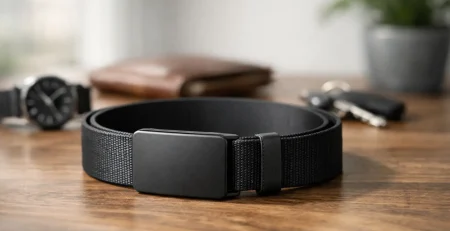
Look for a clear balance of form and function. A distinctive buckle, sculptural handle or unexpected natural texture can make an accessory memorable. But the design should also serve a purpose. A belt needs a fastening that stays secure and sits comfortably. A bag needs stress points that can handle daily weight. A wallet needs edges and closures designed for repeated use, not just a perfect product photograph.
The most enduring pieces are often the ones with a strong visual identity and a quiet practicality. They feel considered rather than overdesigned. Choose the accessory you will reach for on a workday, at dinner and while travelling – not only for one carefully styled moment.
Start With Materials That Age Well
Materials tell you more about future performance than glossy marketing claims ever can. Natural materials are not automatically durable, and synthetic materials are not automatically poor quality. What matters is whether a material is suited to its job, honestly described and thoughtfully finished.
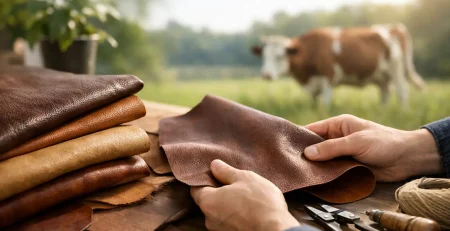
For leather goods, look for vegetable-tanned leather where possible. It develops a deeper character with use rather than merely disguising wear. Unlike heavily coated leather, it allows the material’s natural grain to show and can often be conditioned, cleaned and repaired. It may mark more easily at first, which is part of the trade-off: a living finish gains personality rather than staying artificially uniform.
With textiles, examine density and weight. A tightly woven canvas or substantial recycled fabric generally performs better than a thin, loosely constructed one. For hardware, check how it is attached, not just how shiny it looks. Reinforced stitching, secure rivets and well-finished joins matter far more than decorative metal details.
Wood can also be an extraordinary accessory material when it is responsibly sourced and properly treated. Used wood offcuts, shaped with care, turn a material that might have been wasted into a distinctive design feature. A wooden buckle brings warmth and character that stamped metal cannot replicate, while offering a welcome alternative for people sensitive to metal against the skin.
Inspect the Construction, Not Just the Surface
A durable accessory reveals its quality in the areas that work hardest. Turn it over. Look inside. Run your fingers along the seams. Small details tend to reveal whether an item was made for repeat wear or made to move quickly through a trend cycle.
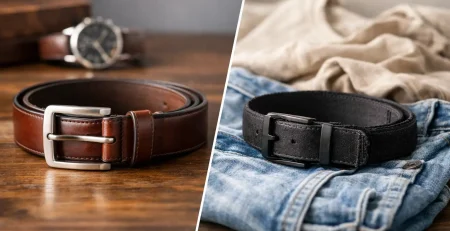
On belts, inspect the connection between strap and buckle. Is it cleanly finished? Can the buckle be replaced if needed? On bags, look closely at the handles, strap anchors, base corners and zip ends. These are the pressure points that experience most strain. Stitching should be even, secure and free from loose threads. Edges should feel sealed and smooth, rather than brittle or thickly painted over to hide poor finishing.
A piece need not be indestructible to be durable. In fact, claims that a product can withstand anything should invite healthy scepticism. Leather can scratch, wood can show signs of use and fabric can stain. The difference is whether the item is designed to be maintained and whether those marks can become part of its story rather than the reason it is discarded.
Choose Repairable, Modular Design
The longest-lasting accessory is often the one that can be fixed. Yet repairability is still overlooked when people shop for fashion. Before buying, ask what happens when the most likely failure occurs. Can a strap be replaced? Can a buckle be changed? Can a zip be repaired by a specialist? Is there a removable part that prevents a small fault from ending the product’s life?
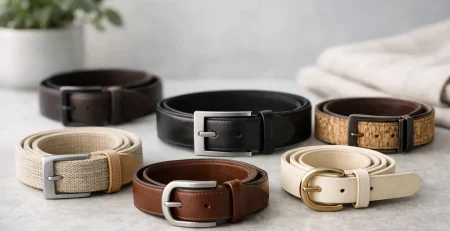
Modular design makes this easier. A belt with an interchangeable buckle and strap, for example, allows you to refresh the look without replacing everything. It also means one worn component does not automatically turn the whole piece into waste. This is a smarter way to build a wardrobe: fewer objects, more possibilities and a closer connection to what you own.
Wood Belt was built around this idea, pairing adjustable, metal-free wooden buckles with considered straps made for everyday wear. The result is not simply an unusual belt. It is an accessory designed to offer comfort, individuality and a longer life beyond fast-fashion habits.
When brands talk about sustainability, look for practical evidence of this mindset. Repair guidance, replaceable parts, durable material choices and realistic care advice speak louder than vague claims about being green. Responsible design should help you keep using what you buy.
Buy for Your Actual Life
The right accessory is not necessarily the most expensive one, nor is it always the toughest-looking. It is the one that suits your routine. Someone who travels frequently may value a metal-free belt that avoids the familiar airport-belt shuffle and feels comfortable through a long day. Someone who cycles to work might prioritise a cross-body bag with dependable strap construction. A gift buyer may want a piece that feels personal without being difficult to wear.
Think about frequency before you think about novelty. Cost per wear is useful here, but it is not an excuse to buy something you will not use. A beautifully made weekend bag has little value if your daily life calls for a compact cross-body. A statement belt earns its place when it works with trousers, denim, dresses and tailoring you already love.
Try to picture the accessory after real use: a rainy commute, a crowded train, an evening out, a packed suitcase. If the design only works in ideal conditions, it may not be the durable choice for you.
Care Is Part of Ownership
Even the finest accessory needs a little attention. Caring for what you own is not fussy or old-fashioned; it is a practical expression of value. Keep leather away from prolonged direct heat, condition it when it begins to feel dry and store it where it can breathe. Empty bags before putting them away, especially if they have carried pens, cosmetics or snacks. Wipe wooden elements with a soft dry cloth and avoid soaking them.
Avoid overloading straps and handles simply because an item appears strong. Weight stretches materials gradually, and repeated strain is harder to reverse than a surface mark. If a loose stitch, worn edge or temperamental fastening appears, deal with it early. Small repairs are usually simpler, more affordable and more effective than waiting for complete failure.
Let Style Outlast the Season
Timeless does not have to mean anonymous. The accessories people keep are often the ones that say something specific: an unexpected natural grain, a rich leather tone, a silhouette that feels like yours. The goal is not to remove personality from your wardrobe. It is to choose personality that remains compelling after the seasonal noise has faded.
Favour colours and shapes you genuinely wear, then let one or two details carry the distinction. Consider how an item works with your existing clothes, not only with the outfit it is presented alongside. If it makes familiar pieces feel newly considered, it has real wardrobe value.
Buying less can feel like a restriction until you experience the freedom of owning better. Choose the accessory that invites daily use, accepts the marks of a life well lived and can be cared for when needed. That is where good design becomes personal – and where a purchase begins to do more good than harm.