A Guide to Premium Belt Craftsmanship Today
A belt is often the smallest piece in an outfit, yet it does some of the hardest work. It holds a silhouette together, takes daily friction, bends with every movement and is frequently the first accessory to reveal whether an outfit has been considered. This guide to premium belt craftsmanship looks beyond a polished finish to the details that make a belt feel exceptional now and still worth wearing years from now.
Premium is not simply a matter of a higher price or a recognisable label. It is found in the honesty of the materials, the precision of the cut, the comfort of the buckle and the possibility of repair. A well-made belt earns its place in a wardrobe because it gets better acquainted with you, rather than becoming another disposable purchase.
Guide to Premium Belt Craftsmanship: Start With Materials
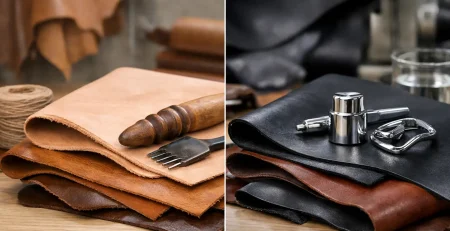
A premium belt begins with material chosen for its behaviour, not just its appearance. Leather is a classic example. Full-grain leather retains the natural surface of the hide, including subtle marks and grain variation. Those details are not defects. They are evidence of a real material that can develop a rich patina through wear.
Vegetable-tanned leather is especially valued for this reason. Tanned with plant-based extracts rather than harsh chrome salts, it tends to age visibly and beautifully, taking on depth from sunlight, handling and the shape of its wearer. It can be firmer at first than heavily processed leather, which is a trade-off worth understanding. The initial structure is often what allows it to mould gradually to the body and remain dependable over time.
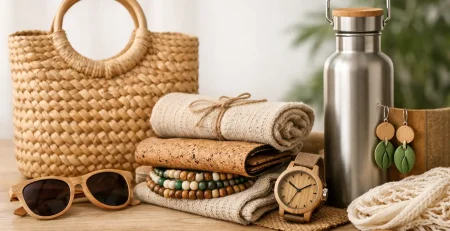
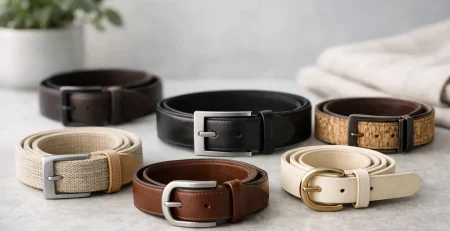
Not every premium belt must be leather, however. Thoughtful alternatives can offer excellent performance when they are selected with the same care. Natural fibres, recycled textiles and plant-based materials all have a place when their durability, finish and end-of-life impact are considered honestly. The key question is simple: will this material continue to look good after real use, or is it designed mainly for its first photograph?
Wood deserves attention too. Used well, it brings grain, warmth and individuality that metal and plastic cannot imitate. Reclaimed wood offcuts are particularly compelling because they give valuable material a second purpose. Each variation in tone and grain makes the finished accessory feel personal, while reducing demand for newly extracted resources.
The Buckle Is More Than Hardware
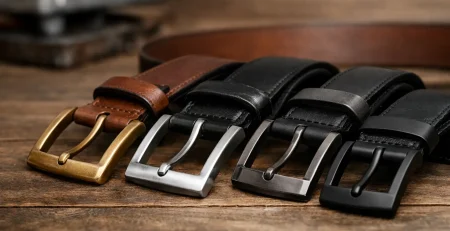
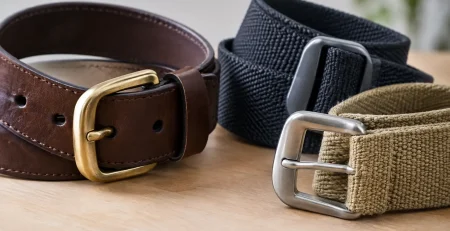
Most belts are judged first by their buckle. It is the focal point at the front of an outfit, but it is also a mechanism you will use repeatedly. A premium buckle should be easy to operate, sit comfortably against the body and feel proportionate to the strap. Too heavy, and it can pull fabric or feel awkward when seated. Too light, and it may lack presence or longevity.
Traditional metal buckles can be timeless, but they are not the only premium option. For people with metal sensitivities, even a beautifully finished buckle can be an everyday irritation. Metal-free designs offer a practical alternative without asking the wearer to compromise on style. They can also make travelling simpler, particularly for frequent flyers who prefer to avoid removing a belt at security where possible.
A wooden buckle asks more of its maker than a standard stamped fitting. Wood must be shaped carefully to preserve strength around areas under tension. It must be sanded to a smooth, tactile finish and protected in a way that respects its natural character rather than coating it in a thick, artificial-looking layer. The result should feel deliberate: visually distinctive, comfortable in the hand and dependable in use.
At Wood Belt, patented wooden buckle design turns that idea into a signature. The point is not novelty for novelty’s sake. It is a different answer to the familiar belt buckle – one that is metal-free, naturally expressive and made for people who expect their accessories to carry both style and purpose.
Construction Reveals the Real Quality
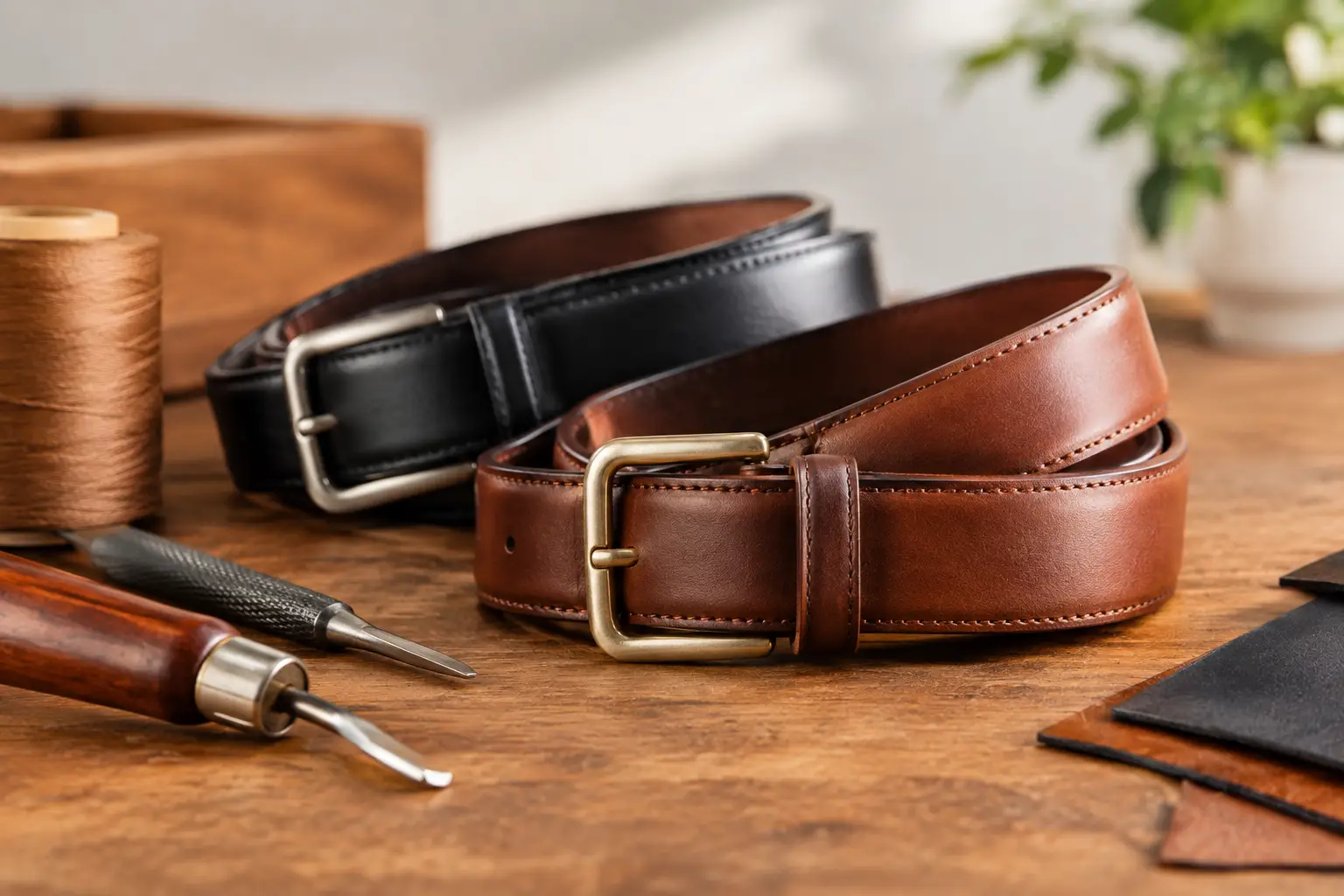
Look closely at the belt strap. A premium piece should have clean, even edges and a consistent thickness along its length. Cheap belts are often made by bonding thin layers together, then painting the exposed edge to imitate solid leather. This construction can look convincing briefly, but edge paint may crack and layers may separate as the belt flexes.
A solid leather strap, or a carefully engineered construction with properly finished edges, will usually age more gracefully. Edge finishing may be burnished, folded or treated according to the material and design. None is automatically superior in every context. A sleek formal belt might suit a refined painted edge, while a more casual leather belt can look best with hand-burnished edges that celebrate the material’s texture. What matters is that the finish is even, secure and appropriate to the belt’s purpose.
Stitching deserves the same scrutiny. It should be straight, evenly tensioned and free from loose threads. Stitching is functional as well as decorative, especially where the buckle, keeper and strap meet. Reinforced stress points can make a significant difference over years of wear. If a belt uses rivets, they should sit flush and be firmly set, with no sharp edges against the body or clothing.
The holes are another quiet mark of craft. They should be cleanly cut, evenly spaced and reinforced by the strap’s strength rather than punched through weak material. A belt that distorts heavily around its most-used hole is telling you something about its construction. Some designs reduce this issue through adjustable or modular fastening systems, offering a more adaptable fit and potentially extending the life of the piece.
Fit Makes Craftsmanship Feel Personal
Even the finest belt will disappoint if it does not fit well. Measure a belt you already wear comfortably from the point where the buckle pin rests to the hole you use most. That measurement is generally more useful than relying on trouser size alone, since rises, fabrics and styling preferences vary.
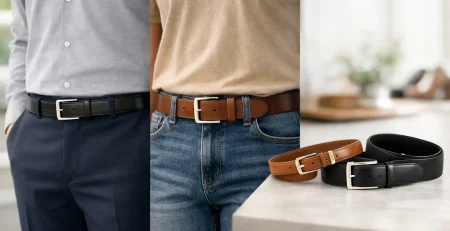
For a traditional belt, aim to fasten near the middle hole. This leaves room to adjust for different trousers, seasonal layers and natural changes in fit. The width matters too. Slim belts work elegantly with tailored trousers and finer belt loops, while wider straps bring more visual weight to denim, chinos and relaxed silhouettes.
Consider where and how you will wear it. A sharp black belt with a minimal buckle can be ideal for formal occasions, but it may not be the belt you reach for on a weekend walk or long-haul flight. One versatile, impeccably made belt is often a better investment than several trend-led versions that only work with a narrow set of outfits.
Why Longevity Is a Design Choice
The most responsible belt is not necessarily the one with the most environmental claims on its tag. It is the one you genuinely wear, maintain and keep. Durability reduces replacement, while timeless design makes it easier to choose the same piece season after season.
That is why repairability and modularity matter. If a strap can be refreshed, a component replaced or a buckle paired with another strap, the product has a longer and more useful life. This approach also gives you creative freedom. A distinctive buckle can become a personal signature, while interchangeable straps let it move from everyday denim to more polished dressing without unnecessary duplication.
Premium craftsmanship also asks for responsible production choices. Materials sourced from offcuts, biodegradable components and vegetable-tanned leather can reduce impact, but no material is impact-free. The strongest case for a belt is a combination of considered sourcing, skilled making and a design you will keep choosing. Feel good. Look good. Do good.
Care That Respects the Material
A belt needs little maintenance, but the right habits make a meaningful difference. Wipe off surface dust with a soft, dry cloth, and allow wet leather to dry naturally away from direct heat. Radiators and hairdryers can make leather brittle, while prolonged dampness can affect both leather and wood.
Condition leather occasionally with a product suited to its finish, using a small amount rather than saturating the strap. Test first on an inconspicuous area, particularly with vegetable-tanned leather, as conditioning can deepen the colour. For wooden components, a gentle dry wipe is usually enough. Avoid soaking, harsh household cleaners and sprays that may leave residue.
When storing a belt, hang it loosely or lay it flat rather than sharply folding it. Give it a rest after heavy wear, especially if it has been exposed to rain, heat or friction from travel. These are modest rituals, but they keep natural materials looking like themselves.
Choose the belt that feels right in your hand, works with the clothes you actually wear and offers a future beyond its first season. The best craftsmanship does not demand attention at every turn. It simply makes getting dressed feel better, every time you fasten it.