Repairable Fashion Trends Built to Last
A frayed belt edge, a loose button or a scuffed bag should not be a fashion death sentence. Yet disposable fashion has trained us to replace rather than repair, even when an item still fits beautifully and carries years of character. Repairable fashion trends offer a more considered alternative: pieces designed to stay in your wardrobe, evolve with your style and earn their place over time.
This is not nostalgia for a simpler wardrobe. It is a sharper standard for modern design. The most exciting sustainable pieces are not worthy-looking compromises. They are distinctive, practical and made with the expectation that life will happen to them.
Why repairable fashion is becoming a style statement
For years, sustainability in fashion was often framed as buying less. That still matters, but it only tells half the story. The other half is choosing better: garments and accessories with components that can be maintained, replaced or restored instead of discarded.
A repairable design respects both materials and the person wearing it. It acknowledges that a favourite jacket may need a new zip, that a well-used handbag may benefit from refreshed stitching, and that a belt should not become waste because one part has worn faster than the rest.
There is also a visual shift taking place. Perfectly new no longer automatically signals the most desirable choice. A carefully repaired leather accessory, a visible mend in a knit or a tailored coat kept in circulation for a decade can look personal and assured. These are signs of ownership, not neglect.
The appeal is particularly strong for people who want their purchases to reflect their values without losing any style. You can still choose bold colour, sculptural detail and a recognisable silhouette. The difference is that the design has a future beyond its first season.
The repairable fashion trends shaping better wardrobes
Modularity is moving from tech to accessories
Modular fashion means a product is built from parts with distinct jobs. When one part needs attention, it can be repaired or replaced without sacrificing the entire piece. In accessories, this might mean interchangeable straps, replaceable closures, detachable pouches or buckles designed separately from the belt itself.
This is a practical idea with a luxurious feel. It lets an accessory adapt to different outfits, occasions and stages of wear while keeping its core material in use. A beautifully made belt, for example, becomes far more valuable when its design allows for continued care rather than a one-way journey to the bin.
The trade-off is simple: modularity only works when the parts are well made and genuinely available. A removable component is not meaningful if it cannot be repaired or replaced years later. Look for brands that explain how their products are assembled and what can be serviced.
Visible mending is becoming intentional detail
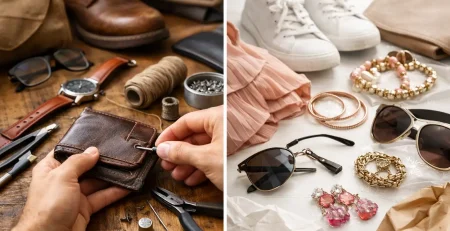
Visible repair has moved far beyond the emergency patch. Contrasting thread, hand-darned knitwear and carefully reinforced denim bring individuality to familiar pieces. The result can be subtle or graphic, but the message is the same: this item was worth saving.
Not every repair needs to be visible. A discreet sole repair or matched leather stitch may be exactly right for a polished wardrobe. But visible mending offers something different – a way to turn wear into a design feature. It is especially compelling on natural fibres and materials that develop richness with age.
The best approach depends on your personal style. If your wardrobe is minimal and tailored, tonal repairs may feel more wearable. If you favour expressive dressing, a bright patch or contrasting stitch can turn maintenance into a signature.
Natural materials are valued for how they age
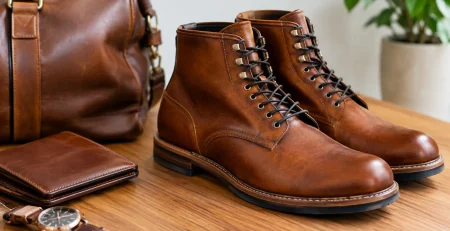
Repairability begins with the material. High-quality vegetable-tanned leather, dense cotton, wool, linen, solid wood and durable hardware often respond well to maintenance because they can be cleaned, conditioned, stitched, polished or refinished.
Natural does not automatically mean better in every case. Some delicate fabrics are difficult to restore, and some blended textiles offer useful performance benefits. Still, materials with a clear structure and proven ageing qualities tend to give repairers more to work with than flimsy, heavily bonded alternatives.
This is why patina matters. The softening of leather, the gentle fade of denim and the warmth of wood gained through handling are not faults to erase. They are evidence of use. When a material becomes more attractive through care, keeping it for longer feels like a pleasure rather than a sacrifice.
Fewer, stronger wardrobe heroes
The repairable movement does not demand a uniform wardrobe of beige basics. It encourages a more deliberate edit: fewer pieces with enough design presence to be worn repeatedly and enough quality to justify care.
Think of the accessories that finish an outfit. A well-proportioned belt, a versatile bag or a distinctive scarf can transform simple clothing and reduce the urge to buy something new for every plan in the diary. Choosing one exceptional piece often creates more outfit possibilities than adding five forgettable ones.
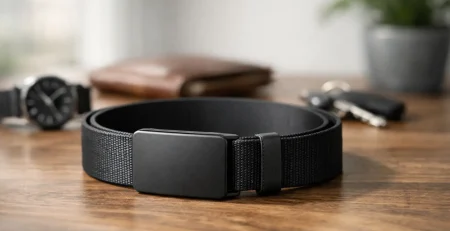
Wood Belt approaches this idea through patented wooden buckles and natural materials that bring a strong design identity without relying on metal. The result is not only visually distinctive. It also offers a considered option for people with metal sensitivities or frequent travellers who appreciate less fuss at security.
What makes a piece genuinely repairable?
The word “repairable” is easy to use and harder to prove. Before buying, inspect the construction rather than relying on a sustainability label alone. Can you see how the piece is put together? Are the seams accessible? Does the brand identify the material and offer care guidance? Is there a repair service, spare-part policy or clear route to getting help if something fails?
Pay close attention to stress points. On clothing, that means seams, zips, buttons, cuffs and hems. On accessories, check the strap attachment, fastening, edge finish and places that receive repeated friction. These areas will not stay pristine forever, but thoughtful construction makes a considerable difference to how easily they can be restored.
Price can be an indicator, but it is not a guarantee. A premium item that is glued shut, impossible to open or made from mixed materials with no repair plan may still have a short practical life. Equally, an affordable cotton shirt with strong stitching and spare buttons may serve you brilliantly for years.
Care is part of the design
Even the best-made item cannot live up to its potential if it is treated as disposable. Small rituals make repair less likely to be needed in the first place: air clothing between wears, clean stains promptly, condition leather when it feels dry, store belts uncoiled or gently hung, and avoid overfilling bags.
When damage does appear, act early. A loose thread is easier to secure than a split seam. A small scuff is easier to nourish than a deep crack. Repair is most affordable and effective before an issue becomes structural.
It is worth building a relationship with a local tailor, cobbler or alterations specialist. Their expertise can extend the life of pieces you already own, and they can tell you honestly when a repair is worthwhile. Sometimes it will not be. A heavily damaged low-quality material may cost more to restore than it is worth. Repairable fashion is not about pretending every item can be saved; it is about choosing future purchases with that reality in mind.
Buy for the next version of you
Trends come and go, but the desire for clothing that feels personal, beautiful and dependable does not. Repairable fashion gives you permission to choose statement pieces without treating them as temporary. It makes room for the scratch, the stitch and the softened edge because a life well lived leaves marks.
The next time an accessory catches your eye, ask a better question than “Will I wear this now?” Ask whether you will still want it after it has travelled with you, changed with you and needed a little care. That is where real style begins.