Slow Fashion Trends That Are Built to Last
A belt is a small decision with a long life. It is worn close to the body, adjusted countless times and expected to work with everything from denim to tailoring. Yet it is often treated as a throwaway extra. That is exactly where slow fashion trends are changing the conversation: not by asking us to abandon style, but by asking more from the things we bring home.
The most exciting shift is not a single colour, silhouette or social-media moment. It is a move towards pieces with a reason to exist for years. Think considered materials, visible craft, practical comfort and designs worth repairing rather than replacing. Feel good. Look good. Do good.
Slow fashion trends are becoming more personal
Slow fashion once carried a reputation for being worthy but predictable: plain basics, muted palettes and a fair amount of compromise. That version is out of date. The modern slow-fashion wardrobe is expressive. It leaves room for sharp tailoring, sculptural accessories, vivid colour and a signature detail that makes an outfit feel like yours.
This matters because people do not keep clothes merely because they are responsible purchases. They keep them because they love wearing them. A beautifully designed accessory can earn its place through versatility, but it should still have presence. The best pieces do both: they work hard on an ordinary Tuesday and make a simple outfit feel intentional.
Personal style is also moving away from the pressure to look new all the time. Repeating a favourite outfit is no longer a failure of imagination. It is proof that a piece was chosen well. The goal is a wardrobe with recognisable character, not endless novelty.
Buy fewer things with a clearer job
A slower approach is often misunderstood as buying nothing. In reality, it is about buying with more clarity. Before adding an item, ask what role it will play: Will it solve a genuine wardrobe gap? Can it be worn in at least three different ways? Does it complement what you already own, rather than demanding a whole new look?
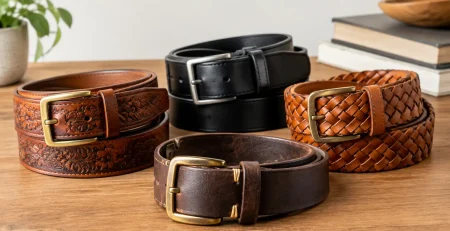
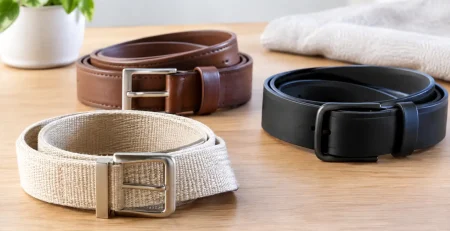
That mindset is especially useful with accessories. A well-made belt can define the waist of a dress, add shape to an oversized shirt, bring polish to trousers and make a familiar coat feel renewed. One strong design can offer more daily value than several trend-led alternatives that lose their appeal after a season.
Price deserves context here. A premium piece costs more upfront, and that is not insignificant. But the better comparison is cost per wear, alongside the comfort, longevity and pleasure it delivers. An item that is used weekly for years may be the more sensible choice than a cheaper version bought twice, then forgotten.
There are limits, of course. Not every purchase needs to be built for life. Children’s clothing, occasion-specific garments and changing body needs can call for flexibility. Slow fashion is not perfection or a reason to shame people for their budgets. It is a habit of making the best next choice with the information and means available.
Natural materials are taking centre stage
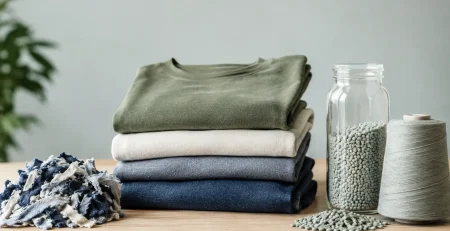
Material choice is becoming a style signal as much as an environmental one. People are looking more closely at what touches their skin, how it will age and where it may end up. Vegetable-tanned leather, responsibly sourced wood, linen, wool and recycled fibres offer texture and depth that synthetic, mass-produced finishes often lack.
Natural materials can be more demanding. Leather needs occasional care. Wood may show its journey through subtle changes in tone and grain. That is not a flaw to hide. It is the difference between an object that develops character and one designed to look identical until it fails.
The key is to look beyond vague claims. “Eco-friendly” is not a material specification. Seek clear information about composition, sourcing, finishing and expected lifespan. A product made with a natural element is not automatically low impact, just as a synthetic item is not automatically disposable. Good design considers the whole picture: material, production, use, repair and end of life.
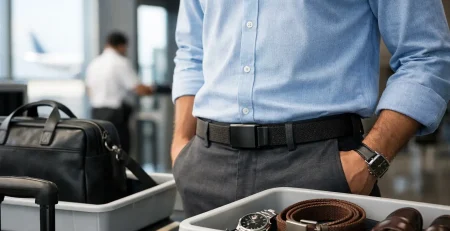
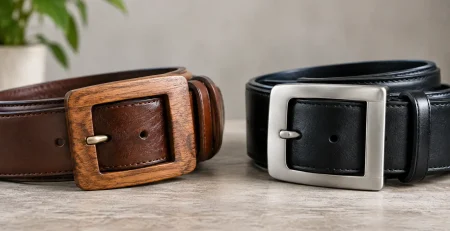
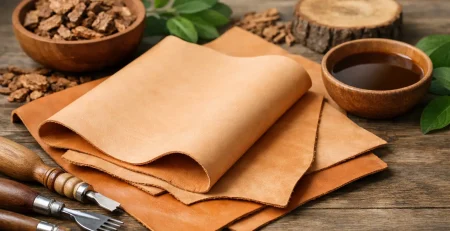
Wood Belt’s patented wooden buckle is a useful example of where material innovation meets everyday function. By using wood offcuts and pairing them with vegetable-tanned leather, the design brings a warm, distinctive finish to an essential accessory while avoiding the metal hardware that can irritate sensitive skin or complicate airport security checks.
Design for repair is one of the quietest slow fashion trends
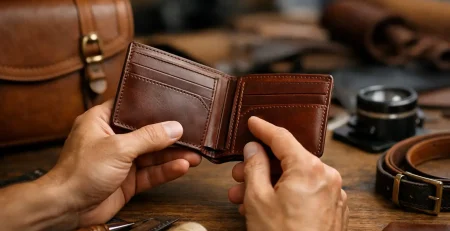
The most valuable trend may be the least flashy: garments and accessories designed to be maintained. Repair is returning to fashion not as a compromise, but as a mark of discernment. A refreshed edge, replaced strap, reinforced seam or restored finish keeps a loved piece in circulation and preserves the story attached to it.
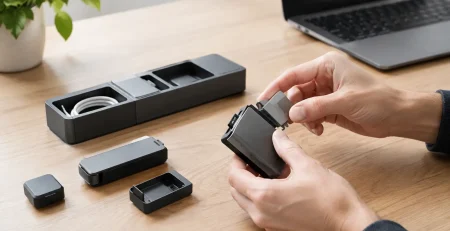
For brands, that means thinking beyond the sale. Can a buckle be separated from a strap? Can worn components be replaced? Are materials selected for their ability to age gracefully? Modularity is particularly powerful because it lets one base item evolve with a changing wardrobe. You might keep the same buckle while changing the strap, or repair a component instead of discarding the whole product.
For shoppers, care begins with small rituals. Store leather away from direct heat, wipe surfaces with a soft cloth and avoid overloading bags beyond their intended use. Read care instructions before applying treatments, particularly to wood and natural leather. A few minutes of attention can prevent the kind of damage that turns a good item into unnecessary waste.
Comfort is no longer separate from style
Slow fashion is often discussed through ethics and materials, but the experience of wearing something matters just as much. If a belt pinches, a bag strap digs in or a fastening causes irritation, it will spend more time in a drawer than in your wardrobe.
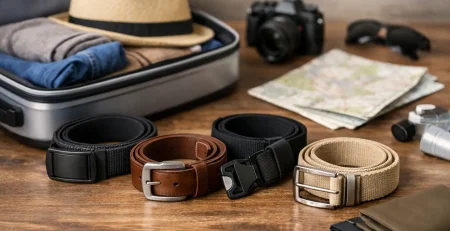
That is why thoughtful functionality is gaining ground. Metal-free hardware can be a genuine benefit for people with nickel sensitivity. Adjustable accessories can accommodate different outfits and bodies. Lightweight materials make travelling easier. These are not gimmicks when they solve real, repeated problems.
The lesson is simple: choose design details that improve your day. A piece that feels effortless gets worn more, and more wear is where sustainability becomes real. Longevity is not only about whether an item survives. It is about whether you reach for it.
How to spot substance behind the statement
As slow fashion becomes more desirable, the language around it is becoming louder. Not every “conscious” collection has the depth to match its campaign. You do not need to interrogate every label, but a few questions can cut through the noise.
Look for specificity. A credible brand can explain what its materials are, how an item is made and why it is designed to last. Look for repair options, component details and care guidance. Notice whether its imagery celebrates many wears or constantly pushes the next new thing. And pay attention to proportion: a limited responsible edit within a business built on overproduction is different from a model designed around durability from the start.
Transparency does not mean perfection. Materials have trade-offs, manufacturing has impacts and shipping has a footprint. The more trustworthy approach is one that acknowledges those realities while showing how it is reducing harm through better choices, not polished slogans alone.
Make the shift without rebuilding your wardrobe
You do not need a dramatic clear-out to participate in slow fashion trends. In fact, throwing away usable clothing simply to start again defeats the purpose. Begin with what is already yours. Wear the pieces you have not touched in months in a new combination. Alter what almost fits. Polish the shoes, condition the leather and mend the button.
Then let future purchases raise the standard. Choose a single accessory that adds versatility to several outfits. Prioritise fabric and construction over a passing logo. Buy for the life you actually lead – office days, weekends, dinners, holidays and everything in between – rather than an imagined version of yourself.
A slower wardrobe should never feel like a uniform or a restriction. It should feel like relief: fewer disappointing purchases, more confidence in what you own, and objects with enough beauty and purpose to stay. The next time you fasten a belt, carry a bag or choose an outfit, choose the piece that will still feel right after the trend has moved on.