Zero Waste Production That Makes Style Last
A belt may be a small part of an outfit, but its footprint can begin long before it reaches your wardrobe. Materials are cut, hardware is made, pieces are packed and products are often replaced far too soon. Zero waste production challenges that throwaway pattern by asking a better question at every stage: what if every material had a purpose, and every product had a longer life?
For people who choose accessories with intention, this is not about wearing less style. It is about expecting more from it. More character in the material, more thought in the construction and more years from the piece you wear every day.
What zero waste production really means
Zero waste production is a design and manufacturing approach that aims to prevent materials from becoming waste. It prioritises reduction first: using less virgin material, planning cuts carefully and avoiding unnecessary packaging. What cannot be avoided is kept in circulation through reuse, repair, remaking or responsible composting where the material genuinely allows it.
The phrase can sound absolute, and honesty matters here. In fashion, reaching literal zero waste is difficult. Energy, transport, dyes, adhesives and mixed materials all have an impact. A meaningful zero-waste ambition is not a permission slip for vague claims. It is a commitment to measure what is discarded, reduce it year after year and design products that do not become rubbish after one season.
For accessories, the biggest opportunity starts with a simple shift: see an offcut as material, not waste. A piece of wood with a striking grain or a smaller section of vegetable-tanned leather may not suit one product, yet it can be exactly right for another detail, component or limited-edition finish.
Waste is often designed in before anything is made
Most waste does not appear at the end of a production line. It is often built into decisions made much earlier. Oversized collections, trend-led colours, poor pattern planning and products that cannot be fixed create waste before a customer has even placed an order.
A better model begins with restraint. Make fewer, better-designed pieces. Choose materials for their performance as well as their appearance. Build with parts that can be serviced. Produce at a scale that respects demand rather than flooding the market with stock that may later be marked down, destroyed or forgotten.
The hierarchy matters: reduce before you recycle
Recycling has a role, but it is not the first answer to overproduction. Recycling can require sorting, processing and energy, and the quality of a material may decline each time it is remade. The strongest outcome is often not creating the waste in the first place.
That is why durable design matters so much. A belt that stays comfortable, holds its shape and still feels distinctive years later avoids the need for a replacement. Repair extends that advantage. Modular parts take it further, because a worn element can be changed without discarding the entire accessory.
Zero waste production begins with materials
Material choices set the limits of what is possible. Natural materials can offer real advantages, particularly when they are responsibly sourced, long-lasting and easier to return to natural systems at the end of a useful life. But ‘natural’ alone is not enough. A material still needs to be considered in terms of land use, processing, durability, finishes and how it is combined with other components.
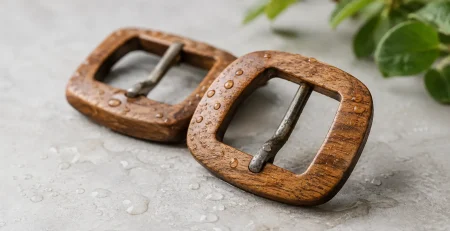
Wood offcuts are a powerful example. Rather than demanding newly cut timber for a small feature, manufacturers can give existing pieces a second purpose. Each grain pattern brings a little individuality, turning resourcefulness into visible design. The result should never feel like a compromise. It should feel considered, iconic and beautifully made.
Vegetable-tanned leather can also support a longer-life approach when it is used thoughtfully and cared for properly. It develops a patina rather than simply wearing out, which suits products made to be kept. Yet leather is not impact-free, and responsible production means being transparent about sourcing, tanning and longevity instead of presenting any material as perfect.
Avoiding mixed-material dead ends
Some of the hardest products to recycle are made from layers of materials permanently bonded together. A beautiful accessory may need different elements, but every extra coating, metal fitting or synthetic layer can make repair and recovery more complicated.
This is where intelligent simplicity becomes a design advantage. A metal-free fastening can reduce material complexity while offering practical benefits for people with nickel sensitivities or those who regularly travel by air. Fewer unnecessary components can mean less waste, less weight and a cleaner visual statement.
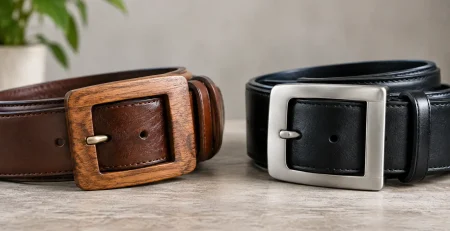
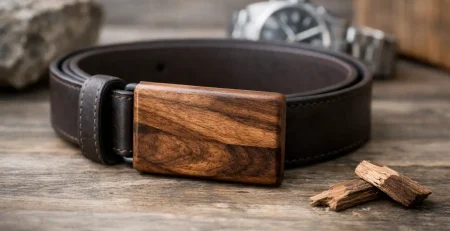
At Wood Belt, the patented wooden buckle is built around that idea: fashion-forward character with a functional reason to exist. Its natural material story is matched by everyday ease, whether you are dressing for work, a weekend away or the airport security queue.
Design for years, not one occasion
The most sustainable product is not automatically the one with the lowest-impact material on paper. It is the one that is used, loved and kept. If an accessory sits unworn in a drawer because it feels awkward, looks dated or breaks easily, its environmental credentials do not carry very far.
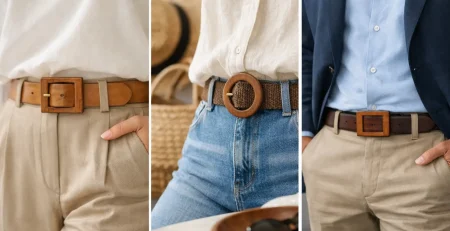
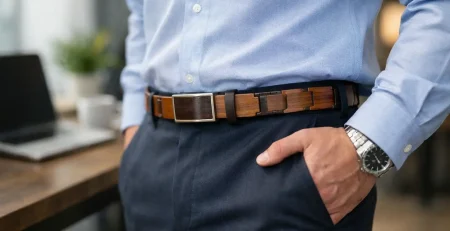
Designing for longevity is therefore both emotional and practical. The piece must work across outfits, feel good against the body and earn a place in a daily routine. It should also have enough personality that its owner wants to keep reaching for it. Timeless does not have to mean bland. An unmistakable buckle, rich wood grain or a beautifully finished strap can give an accessory a signature without tying it to a passing trend.
Repairability is a luxury feature
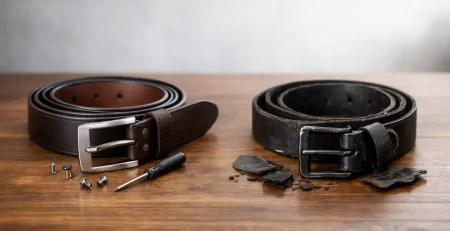
Fast fashion trained shoppers to view damage as a reason to replace. Premium design offers a better expectation: a well-made product deserves care. If a strap can be refreshed, a part can be replaced or a surface can be restored, the object retains its value and its story.
Repairability does require planning. Components need to be accessible, construction methods need to be sensible and brands need to be willing to support products after purchase. It can cost more upfront than making something disposable. That is the trade-off. But the value is clear when one considered accessory replaces several short-lived alternatives.
How to spot meaningful zero-waste claims
As sustainability language becomes more common, it helps to look beyond a label. A credible brand can explain where its key materials come from, how it handles offcuts and what happens when a product needs repair or reaches the end of its life. Specificity is more useful than grand promises.
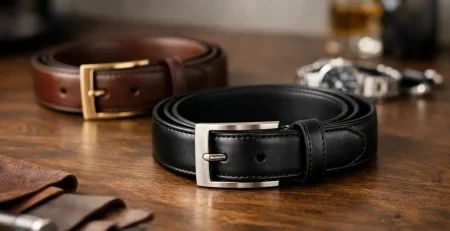
Look for products designed to stay in use, not merely products wrapped in recycled paper. Ask whether the materials can be separated, whether spare parts or repairs are available, and whether durability has been treated as a core feature. Also consider the purchase itself. Buying one belt you will wear for years is often a stronger choice than collecting several ‘eco’ alternatives that never become favourites.
There is no single perfect material or universal formula. A compostable item that lasts only briefly may not be the best fit for a daily accessory. A highly durable item made from more complex materials may make sense when it replaces repeated purchases. Context matters, and thoughtful brands should be comfortable admitting it.
Make your wardrobe part of the solution
Zero waste production works best when production and ownership meet in the middle. Makers can design with less waste, but customers extend the impact by choosing carefully, caring for what they own and resisting the idea that every new season requires a new version of everything.
Start with the accessories you use most. Choose a shape that works with your wardrobe, a material you enjoy touching and a finish that will age with character. Keep it clean, store it well and repair it when needed. These are small rituals, but they turn a purchase into a relationship rather than a transaction.
The best accessory should do more than complete an outfit. It should make you feel good, look good and do good – every time you fasten it.